
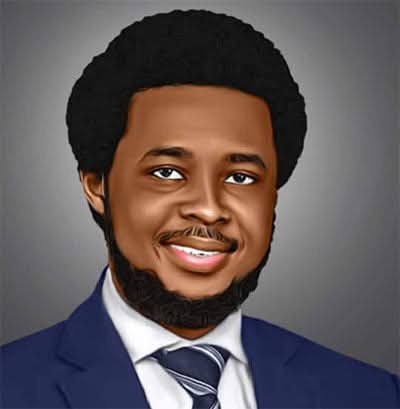
Corruption Must Be Made a High Risk Venture – Commissioner, Anti-Corruption of Sierra Leone
The Commissioner of the Anti-Corruption Commission of Sierra Leone, Francis Ben Kaifala Esq, has emphasized that corruption must be made a high risk venture and low rewarding.
He stated this on Tuesday, December 17, 2024, while delivering a keynote speech at the Independent Corrupt Practices and Other Related Offences Commission (ICPC) End of the Year Engagement in Abuja, Nigeria, where he emphasized the importance of asset recovery in the fight against corruption.
“Corruption impacts emerging economies the most, but asset recovery can help aid development work,” Kaifala said, citing a staggering $1 trillion lost to corruption annually. He highlighted the enormous challenges posed by corruption, including economic loss, poverty, inequality, and damage to biodiversity.
“The United Nations estimates that Africa loses approximately $88.6 billion to corruption every year, while the International Monetary Fund says that $2 trillion is wasted every year on bribes alone,” Kaifala noted. He stressed that asset recovery is crucial in holding the corrupt accountable and ensuring that stolen resources are returned to the people.
Kaifala explained that Sierra Leone has a multi-prong approach to fighting corruption, which includes public education, prevention, and enforcement. He noted that the country has made significant progress in its anti-corruption efforts, jumping 22 places in the Transparency International index since 2017.
However, Kaifala acknowledged that asset recovery remains a significant challenge. “According to Transparency International, asset recovery has very limited success compared to the assets stolen and hidden. Estimates of total global anonymous and potentially illicit wealth range from $7 trillion to $32 trillion,” he said.
The Commissioner emphasized the importance of international cooperation in asset recovery, citing Interpol’s initiative to trace, seize, and return stolen public funds. He encouraged countries to focus on recovering assets internally, as the space for moving wealth externally becomes increasingly tighter.
Kaifala concluded by emphasizing the need for robust, aggressive, and persistent asset recovery mechanisms, guided by law and international best practices. “Asset recovery is not just about recovering stolen funds, but also about holding the corrupt accountable and ensuring that they pay a heavy price for their actions,” he said.