
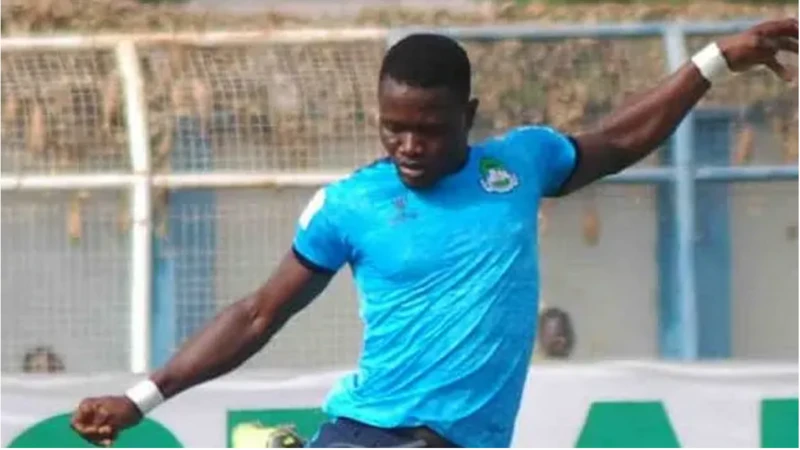
A Nigerian court has found key football authorities guilty of negligence in the death of footballer Martins Chineme, marking a major moment for sports law in the country.
Martins Chineme, a 25-year-old defender for Nasarawa United, collapsed and died during a Nigerian Premier League match in March 2020. His death was believed to be caused by cardiac arrest. The League Management Company (LMC), now called the Nigeria Premier Football League (NPFL) board, along with the Nigeria Football Federation (NFF), Nasarawa United, and a match official, were all found responsible for failing to protect the player.
The National Industrial Court of Nigeria (NICN) made the decision after a long legal battle. The ruling awarded damages to Chineme’s family and made it clear that the football bodies failed in their duty of care. It was the first time in Nigeria that negligence in sport had been legally confirmed, setting a new legal path for similar cases.
The court’s findings showed that a series of mistakes led to Chineme’s death. At the Lafia Township Stadium, there was no working ambulance, no defibrillator, poor medical attention on the field, and a club doctor without proper qualifications. Even worse, Chineme had not undergone the required pre-season heart checks, despite league rules making them mandatory. Nasarawa United also did not insure the player.
By ruling against the club and the football authorities, the NICN sent a strong message about the importance of player safety. Legal experts believe this decision could change how clubs and federations act, not only in Nigeria but possibly across other countries too. It warns that ignoring safety rules can lead to deadly outcomes and serious legal consequences.
Chineme’s family, after years of pushing for justice, expressed relief at the verdict. The journey was tough, made harder because some of Chineme’s former teammates refused to testify. Still, the family stayed determined, believing they owed it to Martins to fight on his behalf.
The court’s judgment also introduced an important idea: the responsibility to protect players is not just on clubs but also on federations and league organizers. This broader duty could push football leaders to be much more careful about player welfare in the future.
While Nasarawa United, the NPFL, the NFF, and the match commissioner have not made any public comments yet, the verdict is expected to force real changes in how football is managed in Nigeria. If football authorities fail to learn from this case, other families may now feel empowered to demand justice too.