
By Abasi Ita, Calabar
The Cross River State Government has restated its resolve to work with key stakeholders in tackling gender-based violence (GBV), child trafficking, teenage pregnancy, and other harmful practices threatening the dignity of women and children.
This assurance was given by the Commissioner for Women Affairs, Hon. Edema Irom, during a review meeting with development partners in Calabar.
Hon. Irom commended the strong synergy between the ministry and its partners, stressing that the collaboration has been instrumental in breaking barriers and advancing the fight against gender inequalities.
“Our joint efforts have gone a long way in achieving set targets, particularly in addressing gender-based violence and harmful cultural and religious practices that undermine the wellbeing of women and the girl child,” she noted.
She emphasized that the Otu-led administration remains committed to creating an enabling environment to tackle gender-related challenges, including cold labour ,the plight of street children and vulnerable groups.
“The present administration in Cross River is determined to address gender-based challenges and harmful practices against our vulnerable population, especially women and children. While we have recorded successes, we must intensify our efforts given the disturbing indices across our communities,” Irom asserted.
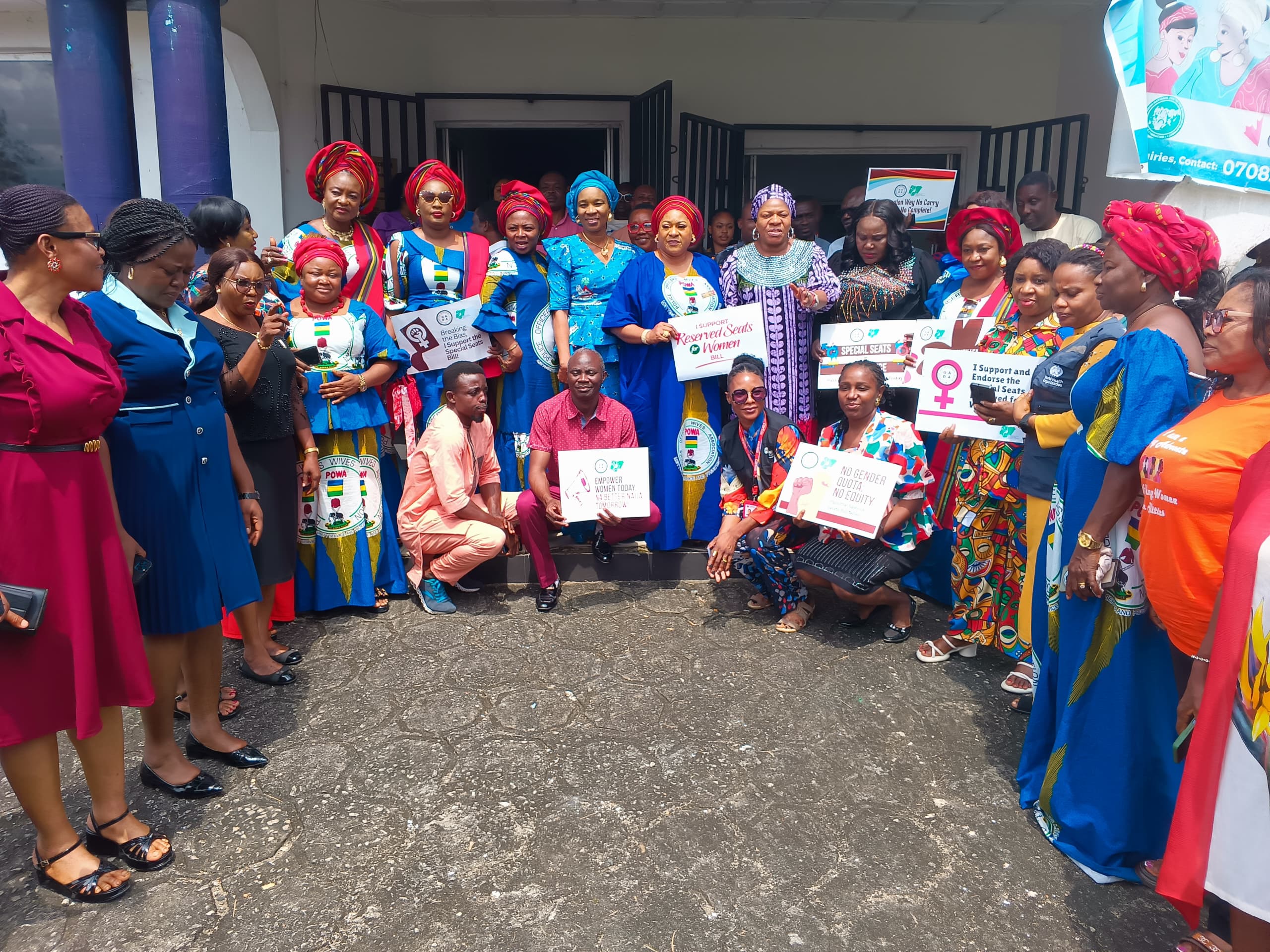
In her remarks, the wife of the State Commissioner of Police and Chairperson of the Police Officers’ Wives Association (POWA), Mrs. Linda Afebua, Esq., pledged to use her platform to push for prompt police response to GBV, rape, and child abuse cases. She condemned the rising incidents of abuse, including witchcraft branding of street children and human trafficking, describing them as crimes society must no longer tolerate.
“We cannot continue to watch these abuses thrive. It is our collective duty to rise to the challenge,” Afebua declared.
Also speaking, human rights lawyer James Ibor, Esq., of the Basic Rights Council Initiative, identified weak enforcement of existing laws as a major setback in the fight against harmful practices. He called for stronger implementation mechanisms, community enlightenment, and greater institutional accountability.
“We must take implementation seriously. Communities need to be educated, and institutions must act,” he warned.
The Ministry of Women Affairs, through its partnerships, has already rolled out landmark interventions, including community guidelines to combat GBV, safeguard inheritance rights for women, and protect children from exploitation in Akamkpa, Boki, and Yala local government areas.
Hon. Irom stressed that the ministry’s ultimate goal is to build “a society where women and children are protected, empowered, and able to contribute meaningfully to development.”
On the political front, Rev. Dr. Vicky Emah Inah of the Neighborhood Care Foundation described the Reserved Seat Bill as “a bold step to correct Nigeria’s gender imbalance in politics.”
She urged partners in the GBV ecosystem to rally support for the bill’s passage, noting that “affirmative action of this kind will strengthen democracy and give women a fairer voice in governance.”
The meeting was attended by development and implementing partners, NGOs, FBOs, and CBOs. Stakeholders identified immediate priority areas for collaboration, including the 16 Days of Activism Against Gender-Based Violence, the International Day of the Girl Child, and the Orange Band Initiative scheduled to participate in Carnival Calabar 2025.