
 By Abasi Ita
A coalition of 19 civil society organisations in Cross River State, spearheaded by We The People, has called for an urgent and comprehensive review of the Cross River State Forestry Law, 2010 to curb escalating forest depletion. The groups warned that continued degradation of the state’s forests poses serious environmental, economic and intergenerational risks.
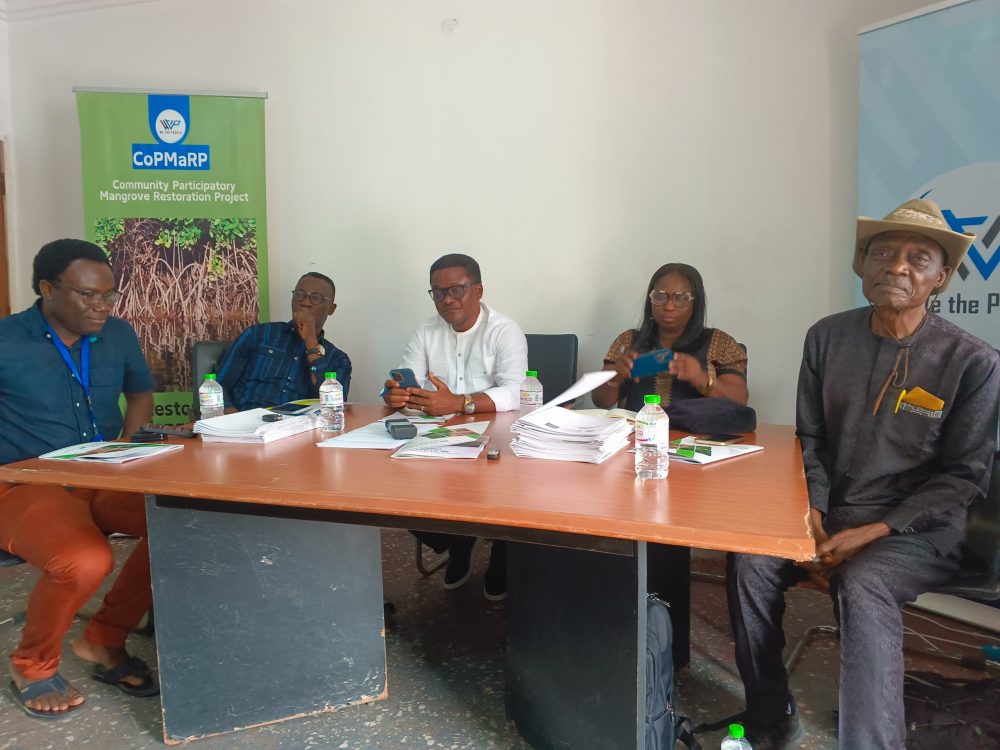
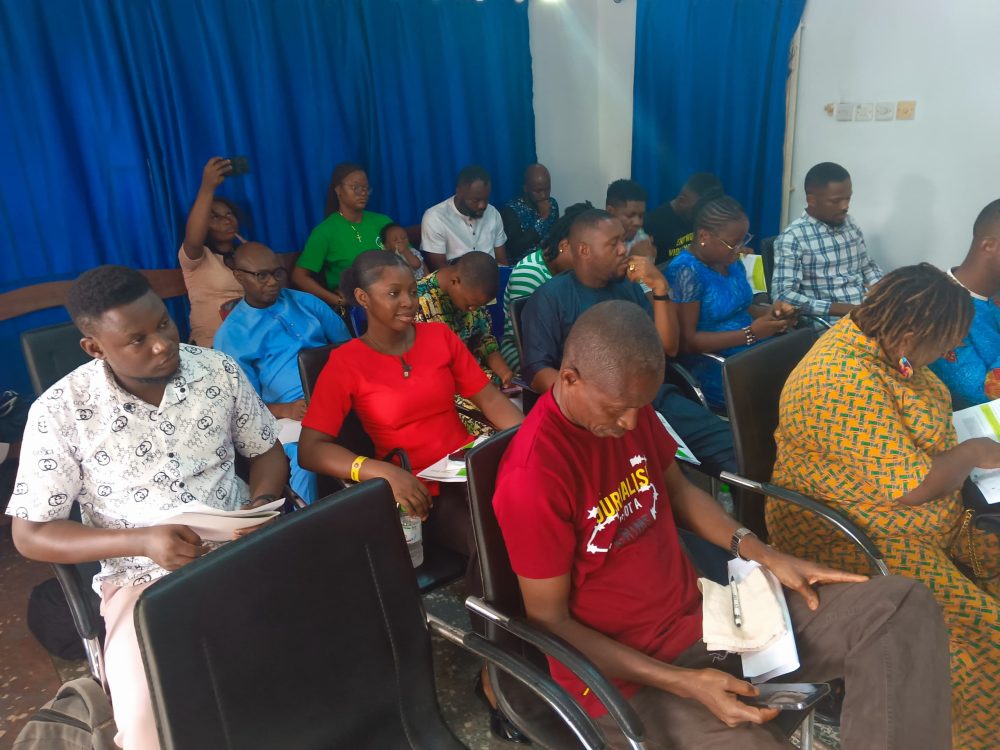
The coalition made the call on Tuesday during a media briefing in Calabar where it presented a policy report titled Recommended Reviews of the Cross River State Forestry Law, 2010.
In his opening remarks, the Chief Executive Officer of Padic Africa, Dr Martin Egot, disclosed that the report is the outcome of six months of consultations involving community representatives, academics, legal experts, conservationists and other stakeholders.
According to him, Cross River State, which hosts Nigeria’s largest and most biodiverse tropical rainforest ecosystem and forms a critical part of the Lower Guinean rainforest belt in West Africa, has lost over 60 percent of its original forest cover. He noted that vast areas of once dense rainforest have deteriorated into degraded lands and grasslands due to logging, wildlife exploitation, agricultural expansion and weak enforcement of existing laws.
Presenting the recommendations, a former member of the Cross River State House of Assembly who represented Yakurr 1 State Constituency, Hon Nelson Ofem, stressed that although the Forestry Law enacted in 2010 was progressive at the time, current environmental and economic realities demand a more robust legal framework. He noted that climate change pressures, organised forest crimes and emerging global carbon financing opportunities require an updated law that reflects present day challenges.
Among the key recommendations is the alignment of forest governance with climate change commitments. The groups argued that forests should be recognised not only as conservation assets but also as climate assets capable of attracting international climate finance. They urged the state government to incorporate provisions that promote large scale afforestation and reforestation while positioning Cross River to benefit from global carbon funding mechanisms.
The report also advocates stronger deterrence against illegal logging and wildlife trafficking. It described existing penalties as weak and insufficient to discourage offenders. For instance, the coalition cited the N200,000 fine imposed when a truck is seized during the commission of a forest offence, describing it as inadequate and ineffective. The groups recommended stiffer sanctions, improved monitoring systems and better inter agency coordination to curb forest crimes.
On governance reforms, the coalition called for clearer institutional mandates, enhanced transparency in licensing processes and stronger oversight mechanisms. It emphasised the need to deliberately include communities, academia and civil society actors in forest governance structures to ensure accountability and sustainability.
The organisations further identified ecotourism as a viable economic pathway for the state if forest resources are properly managed. They urged the government to embed ecotourism principles in the revised law and create legal backing for conservation based enterprises and responsible public private partnerships.
Central to the recommendations is the inclusion of indigenous and forest dependent communities in decision making. The coalition called for legal provisions that guarantee community participation, co management arrangements, recognition of traditional knowledge systems and community based monitoring.
The civil society groups warned that failure to undertake comprehensive reforms could permanently erode one of Nigeria’s most valuable ecological assets. They urged the Cross River State House of Assembly to prioritise legislative action that modernises the Forestry Law in line with contemporary environmental, social and economic realities.
Ofem, who is the Executive Director of the Nelson Ofem Initiative, added that protecting the state’s forests is not merely about conserving trees but about safeguarding biodiversity, livelihoods, climate stability and the long term economic future of Cross River State.
In his submission, a renowned environmentalist and former Chairman of the Cross River State Forestry Commission, Dr Odiga Odiga, said the review has become imperative to address glaring loopholes in the existing law that are currently being exploited by illegal loggers and their agents to intensify destructive activities.
Also speaking, the Executive Director of We The People, Ken Henshaw, attributed the push for the review to the urgent need to strengthen policy initiatives aimed at addressing the persistent onslaught on the state’s forest resources.
Henshaw said loggers are exploiting weak forest laws to cause extensive damage. He added that commercial agriculture driven by recent cocoa and palm oil booms is another major factor threatening forest reserves, which the proposed amendments seek to address.
According to him, the recommendations are the result of a holistic appraisal of the sector. He maintained that the state stands to gain significantly from protecting its forests through conservation incentives and ecotourism. He described the forest as a vital resource that connects people to nature, preserves heritage and cultural values, provides shelter for rare animal species, supplies food and offers medicinal resources.