
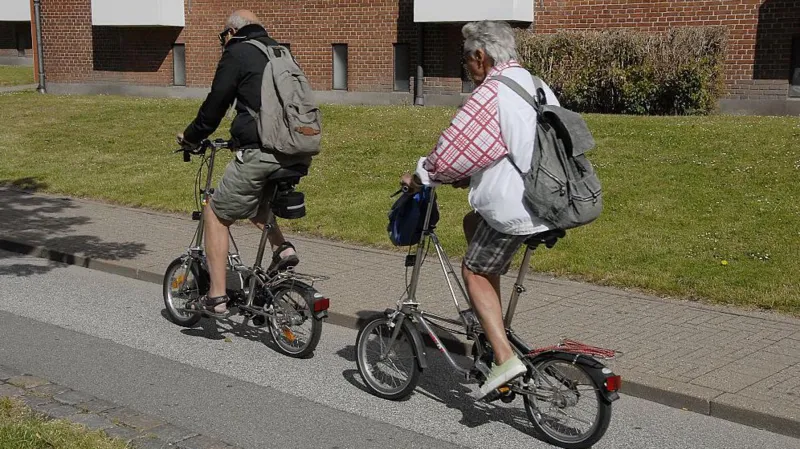
Denmark has approved a new law that will gradually raise its official retirement age to 70, making it the highest in Europe.
The change is set to take full effect by 2040 and will apply to all citizens born after the end of 1970.
The Danish parliament passed the measure with a strong majority. Lawmakers pointed to the country’s system, which links retirement age to national life expectancy and adjusts it every five years. Currently at 67, the age will climb to 68 in 2030, then to 69 in 2035, and finally reach 70 in 2040.
This decision comes at a time when many European nations are grappling with aging populations, longer life spans, and concerns over how to fund pensions in the future. Denmark’s system has long been held up as a model for its proactive planning, but the latest increase has drawn criticism.
The government argues that the law is part of a long-term approach to ensure the sustainability of the pension system. Officials say it reflects modern life patterns and the ability of citizens to remain active in the workforce for longer. However, the debate over fairness remains active.
Many workers, particularly those in physically demanding jobs, are voicing concerns about the impact of working into their late 60s and beyond. Unions and blue-collar workers have raised alarms that not all jobs are equal and that manual laborers may struggle with the rising age limit. Several protests have been held in Copenhagen in recent weeks, with union leaders describing the law as harsh and out of touch.
The Danish prime minister previously acknowledged the need to revisit the automatic link between retirement and life expectancy, signaling that future changes to the policy may still be on the table. Despite this, the current law remains in place, setting Denmark apart from its European neighbors.
Across Europe, governments are facing similar challenges. France recently raised its retirement age from 62 to 64 amid protests, while Italy’s retirement age is 67 and subject to future adjustments. Sweden and the UK are also gradually increasing retirement ages for younger generations.
For now, Denmark is leading the way with the boldest move yet, betting on a future where most citizens will stay in the workforce longer. But the decision has ignited debate about the balance between financial planning and the human cost of aging at work.