
Egypt has approved sweeping rent reforms that will phase out decades-old rent caps, sparking concerns among millions of tenants who fear steep rent hikes and possible eviction.
The law, passed in July, applies to rental contracts signed before 1996 that had allowed tenants and their heirs to remain indefinitely at fixed rates.
For non-residential units, the transition will last five years, while homes will shift to market-based rents over seven years.
During this period, rents will increase sharply — up to twenty times in prime areas and ten times in mid-tier and poorer districts.
Minimum rates are set at 1,000 Egyptian pounds in high-end areas, 400 in middle-income zones, and 250 in lower-income neighborhoods. Afterward, rents will rise annually by 15%.
While landlords welcome the move as long-overdue relief, tenants warn it will push housing costs beyond their means.
Many renters currently pay just a few pounds a month, far below market value, and worry they will not find alternatives.
Critics argue the law was rushed through after a court ruling deemed the old system unconstitutional.
The government has promised safety nets, including access to state housing through rent, rent-to-own, and ownership schemes.
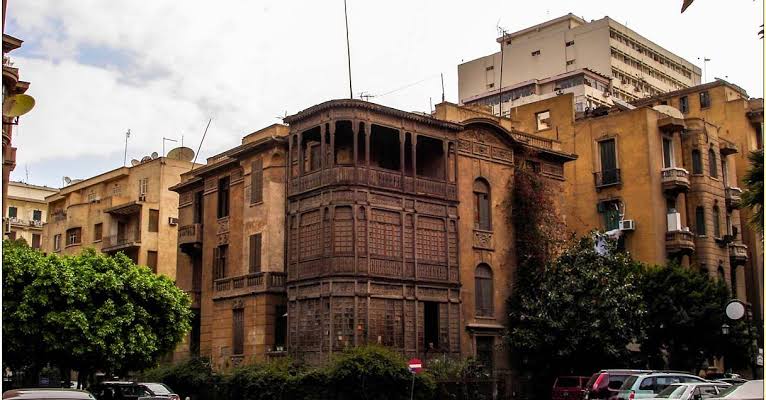
Officials insist no family will be left without shelter. But experts warn that the scale of demand — more than half a million families — far exceeds current housing supply, creating risks of overcrowding, displacement, and further gentrification in historic neighborhoods.
For low-income households and small business owners, the change threatens both homes and livelihoods, adding to the pressures of inflation and rising living costs.