
El Salvador has put forward an unexpected offer to Venezuela that could reshape how both countries deal with detainees.
President Nayib Bukele has suggested a direct prisoner exchange with Venezuelan leader Nicolás Maduro. The plan would see over 250 Venezuelan nationals, recently deported by the United States and now jailed in El Salvador, returned to their home country. In return, Venezuela would release the same number of individuals currently imprisoned for political reasons.
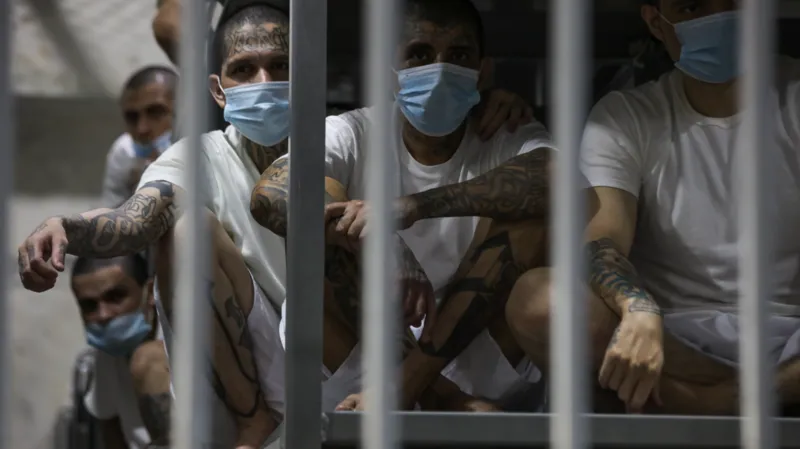
The situation involves migrants who were deported from the US to El Salvador under a policy launched by the Trump administration. Many of these individuals have been accused of having ties to violent criminal networks, especially the Tren de Aragua gang. They are now being held in El Salvador’s high-security Terrorism Confinement Center, a facility known for its strict regime and controversial detention practices.
President Bukele shared the proposal on social media, calling it a humanitarian agreement. He said the detained migrants had committed serious crimes, while the political prisoners in Venezuela were locked up for standing against the government. His message also mentioned nearly 50 additional prisoners of different nationalities, including US citizens, who might be included in future negotiations.
In response, Venezuela’s top prosecutor raised concerns about the deal. He questioned the legal process surrounding the detained Venezuelans in El Salvador and asked whether they were properly tried or given access to legal aid. The Venezuelan government insists it holds no political prisoners, although international rights groups continue to dispute that claim.
The offer comes as the US faces growing criticism for deporting people to third countries under controversial legal powers. Since taking office, President Donald Trump has used a centuries-old law—the 1798 Alien Enemies Act—to authorize the transfer of migrants from nations seen as hostile. That law allows for swift deportation without normal judicial processes. Its use in peacetime has sparked debate both inside and outside the United States.
Meanwhile, Venezuelan authorities have condemned the deportation of their nationals to El Salvador. They argue that it amounts to forced displacement and violates human rights. The issue has strained already tense diplomatic ties and attracted attention from global human rights organizations.
Despite opposition, Bukele’s proposal remains on the table. It reflects a growing willingness among some governments to engage in unconventional deals to address migration, detention, and international pressure. The outcome of this proposed exchange could shape future discussions on human rights, border security, and diplomatic cooperation in the region.