
By ABAH ADAH, Abuja
Stakeholders have identified poor engineering Remuneration, weak regulatory enforcement, lack of collaboration among others as factors that have continued to stifle development of the engineering profession in Nigeria, and by extension the nation at large.
Speaking at the just concluded 33rd COREN General Assembly in Abuja, Senator Iyiola Omisore noted that
the poor engineering remuneration structure in Nigeria has led to brain drain among top engineering talents.
Omisore who argued that Engineering impacts every sector of the economy, hence the critical importance of the profession, said, “No nation can rise above the level of its engineering.”
“Low professional fees and inadequate remuneration for engineers in Nigeria have contributed significantly to the erosion of engineering standards, brain drain, ethical breaches, and substandard infrastructure. Each field of engineering experiences unique challenges stemming from this under-valuation,” he said.
According to Omisore, the adverse effect of poor remuneration of engineering services cannot be overstressed as it is being felt in all sectors of the countries economy.
He noted that the last updated COREN Scale of Fees in 2014 is currently outdated, and does not reflect economic realities.
He illustrated the consequences across sectors with relevant examples. As for
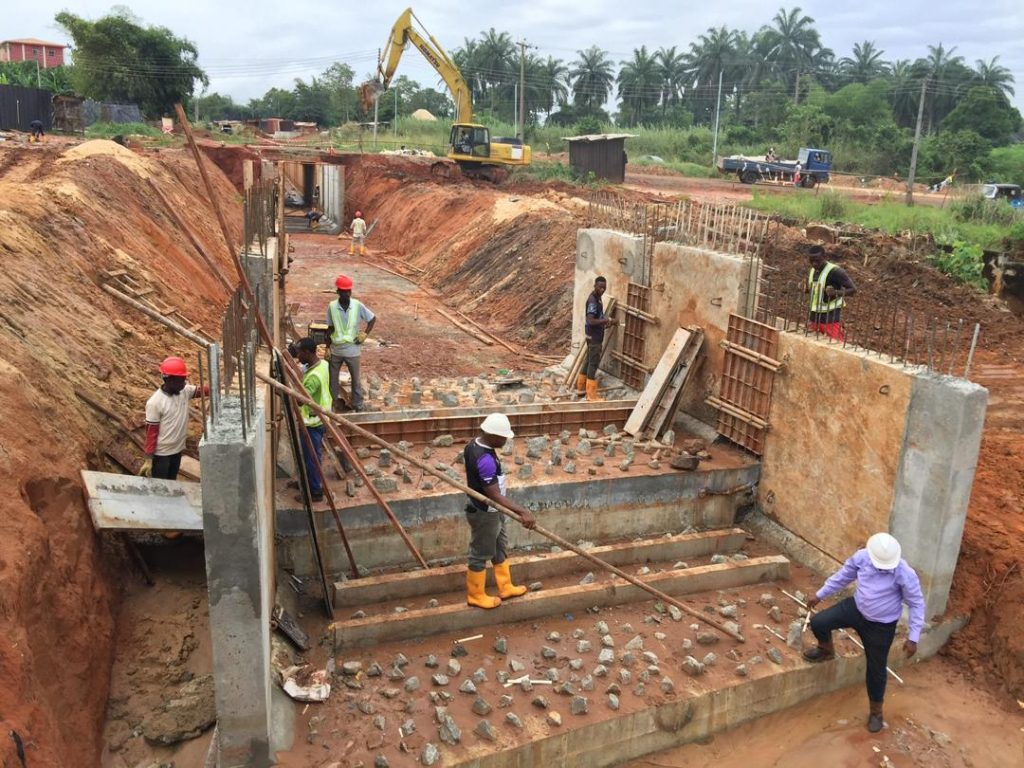
Civil/Structural Engineering, he cited
use of substandard materials due to cost-cutting by consultants; design shortcuts leading to structural failures;
poor supervision of construction projects as some of the ills.
“Numerous building collapses in Lagos and Abuja (e.g., Ikoyi 21-storey building collapse in 2021) have been linked to inadequate structural design reviews and lack of adequate supervision—partly due to poor fees that limit professional engagement time,” the former deputy governor of Osun State noted.
According to him, over 60% of top-performing engineering graduates migrate abroad within 5 years due to poor local remuneration.
Concluding, he recommended immediate overhaul of COREN’s remuneration scale to reflect discipline-specific realities; enforcement of minimum professional fees across private and public sectors; mandatory inclusion of licensed professionals in procurement and technical review processes.
On his part, Deputy Governor of Ogun State, Engr Noimot Salako-Oyedele who spoke on the need for alliances and expansion of the ERM (Engineering Regulations Monitoring) for compliance,
said, “Compliance is a shared responsibility, its shared between regulators, professionals, government, and society.”
He urged state governments, who according to him, have been missing
in action in terms of engineering monitoring, to embrace the ERM at their local level to be able enforce compliance.
Speaking in the same vein, Governor Abdullahi Sule of Nasarawa State pointed out lapses in the enforcement of professional development and licensing regulations in Nigeria’s engineering sector.
According to the governor, such deficiencies threaten public safety, infrastructure integrity, and the country’s socio-economic growth.
Sule who was represented by the Managing Director and Chief Executive Officer of Nasarawa State Urban Development Agency (NUDA), Engr. Wada Yahaya Mohammed noted that many foundational practices, such as student indexing, structured internships, and Continuous Professional Development (CPD), are either partially enforced or completely neglected.
He called for urgent and sustained enforcement of Continuous Professional Development (CPD) and licensing regulations as critical steps toward building a competent, ethical, and globally recognised engineering workforce.