
He said that SALWs had long been identified as both a root cause and enabler of insecurity globally.
According to him, the threat posed by their availability in the hands of non-state actors and international crime syndicates have left countries grappling with finding solutions to combatting the challenges.
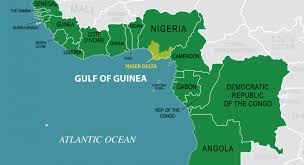
He said that all 14 reported kidnappings of crew members and 75 per cent of crew members held hostage in 2023 happened in the GoG.
“Additionally, two crew members were injured, reinforcing the GoG’s reputation as treacherous waters for seafarers.
“According to the same report, this maritime threat has evolved from the looting and hijacking of oil cargos to the kidnapping of seafarers, bringing the root cause of the problem sharply into focus,’’ he added.
The Director-General of NCCSALW, retired DIG Johnson Kokumo, said that the impact of climate change had become a significant contributor to displacement and instability in various regions, particularly the Gulf of Guinea.
Kokumo said it was also a significant driver of instability and conflict in vulnerable regions across the world with criminal networks exploiting the situation.
According to him, this instability has in turn fuelled the demand for arms, contributing to the rise in the proliferation of small arms and light weapons
He said the 2-Day seminar would provide an invaluable opportunity to examine the complex linkages.
“We must reflect on how the changing climate exacerbates insecurity, weakens governance and allows the illegal arms trade to thrive.
“Furthermore, we need to explore how we can respond to these emerging threats more effectively by fostering stronger national and regional frameworks for arms control, environmental resilience and conflict mitigation.
“I assure you of the Centres commitment and resolve to ensure the menace of SALW is curbed,’’ he said.
The guest lecturer, Dr Dickson Orji, who is the President of GOLHD Centre, said that bulk of illicit armed in Nigeria were moved through the maritime domain.
Orji urged the government to pay more attention to the maritime arena in the fight against the proliferation of illicit small arms and light weapons in the country.
The guest lecturer added that the larger percentage of goods coming into the country were through the maritime, adding that more attention be given to the sector to ensure that all ships were properly inspected and certified.
He recommended continuous advocacy and stakeholder engagements, empowerment of the relevant agencies responsible for maritime security and building synergy between the security agencies in the sector. NAN