
By SUNDAY ABBA, Abuja
The Federal Government of Nigeria (FGN), through the Ministry of Housing and Urban Development, has entered into partnership with the World Bank Group in order to document and title the 90% of land in Nigeria that is unregistered and untitled.
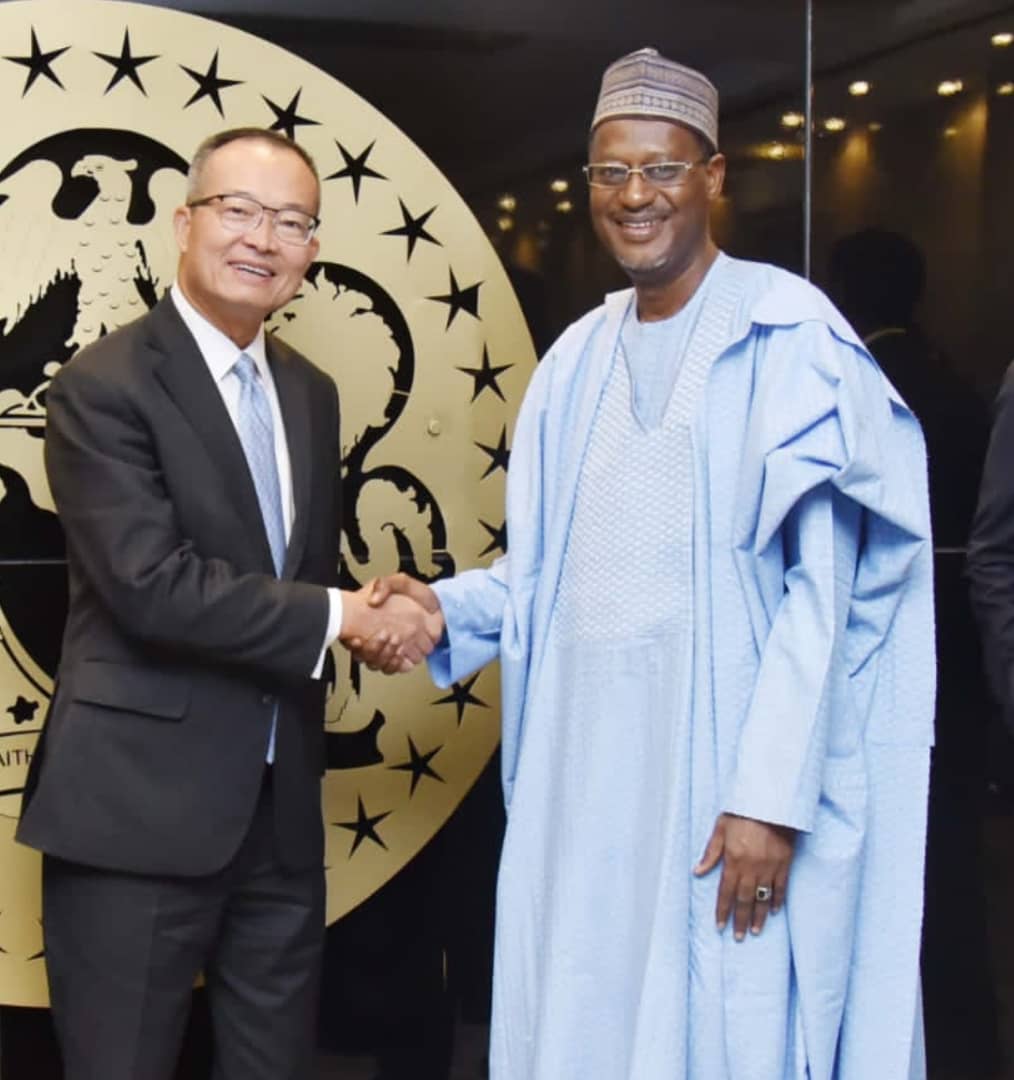
This was the outcome of a courtesy call on the Minister of Housing and Urban Development, Arc. Ahmed Musa Dangiwa, by a delegation of the World Bank led by its Vice President, Infrastructure, Guangzhe Chen in Abuja on Wednesday.
According to a press statement issued by the Ministry, the move was aimed at making the nation’s vast land assets more economically viable and unlocking the over $300 billion in dead capital tied up in such undocumented land.
One of the areas of the collaboration is the National Land Registration and Titling Programme in partnership with the state governments.
The Minister said, “This is very important to our government as over 90% of land in our country is unregistered and untitled. Experts estimate a dead capital of over $300bn”
“Through this initiative that we plan to implement with the World Bank, we aim to, amongst other objectives, register, document and title all land parcels within five years; develop and launch a National Digital Land Information System (NDLIS) and define a framework that makes it accessible to all stakeholders; increase the formalization of land transactions from less than 10% to over 50% in the next 10 years; and train and deploy technically competent land registration officers nationwide.”
He further noted that land registration and titling will open up sources of revenue for the states who can boost their income through ground rent, Certificates of Occupancy, and taxes accruing from increased investments in real estate.
According to the Minister, such funds can be used to provide urban services in the states which can help minimise the effect of climate change across cities in Nigeria.
Arc Dangiwa also observed, “We have examples from states who have implemented proper land registration systems using Geographic Information Systems, GIS. Kaduna and Nasarawa are two good examples.
Addressing the issue of Urban Livability, which he says is another area of common interest, Dangiwa noted, “Implementation of the approved National Urban Development Policy is a key priority of the administration of Mr. President.
“We have to create the necessary frameworks towards an effective, impactful and sustainable implementation towards improving the management of our urban areas and improving service delivery, saying that the World Bank’s Technical Capacity in the area will be highly needed.
“The third focus area is the development of a Framework towards addressing the systemic barriers along the housing value chain. Doing this will help us to enhance private, affordable housing investments,” he added.
The Minister recalled the recent Livability Workshop held with Commissioners of states with the largest concentration of urban areas, noting that the recommendations from the engagement were already being developed into an Actionable Plan in collaboration with the World Bank team.
Citing the recent flooding in Maiduguri which left more than 200,000 people displaced, the Minister said the need to invest in urban resilience has become more evident in recent times following rapid climate change and the susceptibility of many Nigerian urban centres to its impact.
Speaking earlier, the World Bank Vice President of Infrastructure, Guangzhe Chen said the purpose of the visit was to identify areas of common interests which they can prioritise in their collaboration with the Ministry.
He disclosed that the Bank is open to supporting Nigeria on land administration, affordable housing, sustainable financing mechanisms, addressing the impact of climate change on the urban sector, and engaging in urban land management towards the attainment of livable cities, digitization, among others
“We have developed some models and worked with some countries in West and Central Africa on urban Livability and resilience, and these models can be reviewed and replicated in Nigeria,” he said.
Also in the delegation was the Country Director of the World Bank, Ndiame Diop, who gave an assurance that the priorities outlined will be looked at by both teams, fine-tuned, and developed into comprehensive programmes to drive the nation’s housing and urban agenda, including improving the mortgage ecosystem, implementing a structured land Titling system, and offering urban planning technical support to help vulnerable cities in Nigeria mitigate challenges of flood and rising heat levels.
Giving the closing remarks, the Permanent Secretary of the Ministry, Dr Marcus Ogunbiyi, solicited for support from the World Bank in the area of capacity building in needed areas, for the incoming new staff of the Ministry, given that the experienced and old staff were retiring from the service and needed replacement with capable hands.