
By Omonu Nelson
The G20 Summit in South Africa is happening this weekend, and it’s shaping up to be an interesting event. China’s Premier Li Qiang will represent Beijing, while US President Donald Trump has announced that no American official will attend, citing alleged human rights abuses in South Africa.
This move has sparked controversy, with South Africa rejecting the claims and emphasising its commitment to hosting the summit as an inclusive platform for global dialogue. The G20 Summit is taking place from November 22 to 23 in Johannesburg, with key issues like climate change, debt sustainability, and inequality expected to dominate the agenda.
With Trump’s absence, European and Chinese leaders are likely to fill the leadership vacuum, strengthening ties with Africa and promoting their own agendas. China’s Premier Li Qiang will undoubtedly play a key role, building on Beijing’s commitment to multilateralism and fair global governance reform ⁴.
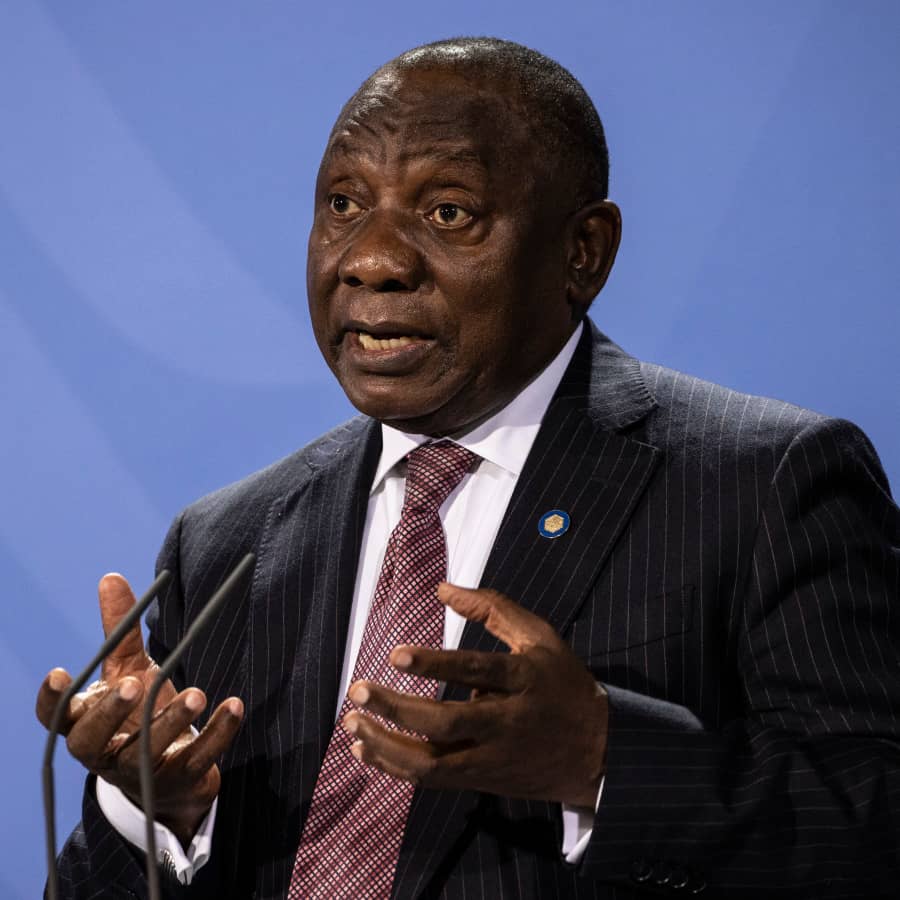
The summit provides an opportunity for African nations to push their priorities, including debt relief, climate finance, and inequality. South Africa’s President Cyril Ramaphosa has made “Solidarity, Equality, Sustainability” the guiding themes of the summit.
Trump’s tariffs and trade policies have strained US relations with many African countries and beyond, further isolating his country. His absence from the summit is seen as a reflection of his broader retreat from multilateralism, which has rattled global order.
China’s Premier Li Qiang’s participation is a proof of China’s continued engagement in international economic and diplomatic forums. China’s vision for global governance emphasises cooperation, inclusivity, and development, with initiatives like the Global Governance Initiative and the Belt and Road Initiative showcasing its commitment to African development.
On intra African economic front, the summit is an opportunity for South Africa to showcase its economic potential and advocate for fair resource exploitation. The country’s planned agenda items include preparing for climate-induced disasters, sustainable debt for low-income nations, financing energy transitions, and ensuring the rush for critical minerals benefits producers.
In conclusion, the G20 Summit in South Africa is a pivotal moment for global economic diplomacy, with emerging economies like China and India increasingly shaping the agenda. The absence of the US and other notable players has created a leadership vacuum, which other nations are eager to fill.