
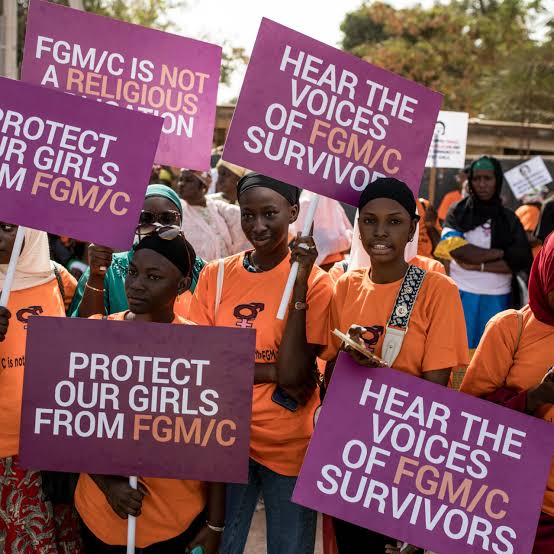
In Gambia, three women have been charged in connection with the death of a one-month-old girl following female genital mutilation (FGM).
Authorities say it is the first such prosecution since the country decided last year to keep its 2015 ban on the practice.
One woman faces life in prison under the Women’s (Amendment) Act, 2015, while two others have been charged as accomplices.
Police reports state the baby suffered severe bleeding after being cut and was pronounced dead at Bundung Maternal and Child Health Hospital.
Despite the nationwide ban, FGM is believed to remain common, with the United Nations estimating that around 75% of Gambian women have undergone the procedure.
Globally, more than 200 million women and girls are affected, with most cases in sub-Saharan Africa, as well as parts of Asia and the Middle East.
FGM is often carried out by older women or traditional practitioners using tools such as razor blades.
It can cause heavy bleeding, death, and long-term complications, including problems during childbirth.
Civil society groups in Gambia have expressed deep concern over the baby’s death, urging strong enforcement of the law.
Meanwhile, some community members and religious leaders continue to push for the ban to be overturned, arguing the practice is rooted in tradition and faith.