
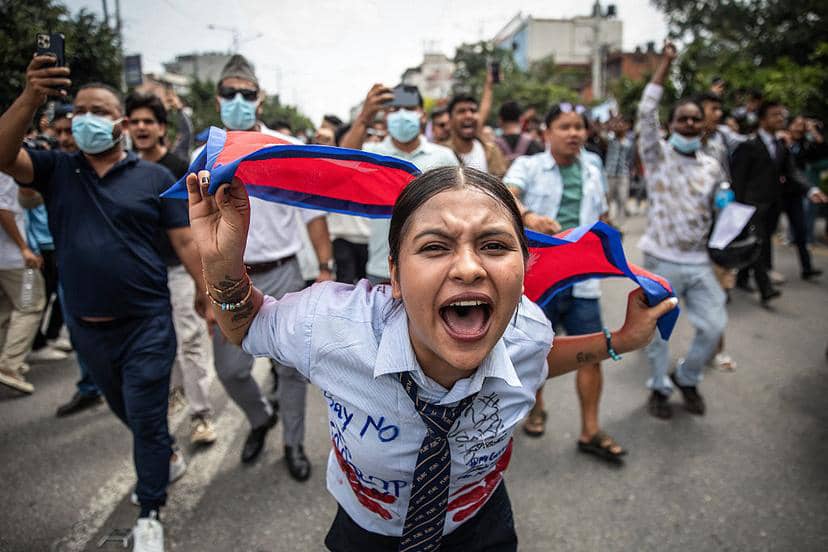
The wave of Gen Z protests sweeping across Africa is a powerful movement driven by frustration with political corruption, economic turmoil, and social injustice. Young Africans are coming together both online and in the streets, demanding real change and accountability from their leaders.
In Kenya, the Finance Bill protests showcased the power of Gen Z activism, with young people bravely taking to the streets to challenge the government’s policies. The protests resulted in over 50 deaths and significant property damage. Kenyan President William Ruto rejected the bill and dismissed his cabinet in response to the unrest.
Similarly, in Morocco, the GenZ 212 movement has brought together young people from across the country, demanding reforms and an end to corruption. The protests are driven by a desire for improvements to public education and healthcare, as well as an end to government spending on international sporting events.
In Madagascar, protests over water and electricity shortages have escalated into a broader anti-government movement, with at least 22 people killed. President Andry Rajoelina dissolved his government in response to the unrest.
In the case of Eswatini, a small kingdom in Southern Africa, there have been pro-democracy protests against the absolute monarchy and for democratic reforms. The protests, which began in 2021, were sparked by a desire for greater accountability and an end to the king’s absolute rule . In resent months, the protest delegated.
The protests are not limited to these countries, with young people in Uganda, Nigeria, and other nations also taking to the streets to demand change. The movement is driven by a desire for accountability, economic opportunities, and social justice.
As the situation continues to unfold, it remains to be seen whether the protests will lead to meaningful change or be met with resistance and repression. One thing is clear, however: the Gen Z protests are a wake-up call for African leaders. It’s time to listen, to engage, and to work towards a brighter future for all.
The international community is watching closely, and it’s imperative that governments respond to the demands of their young citizens. The future of Africa depends on it.