
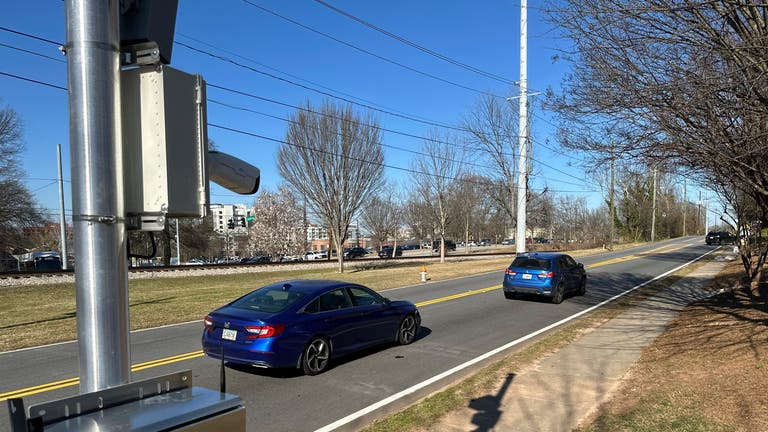
Some Georgia lawmakers are pushing to remove automated speed cameras near schools, arguing that they serve as revenue generators rather than tools for child safety.
Others believe the cameras help slow down drivers and provide enforcement that understaffed police departments cannot.
Speed cameras have been in place in Georgia school zones since 2018. Currently, more than 20 states and Washington, D.C., use them for traffic enforcement, while over 10 states have banned them. If Georgia reverses its stance, it would be an unusual move, as most states that allow traffic cameras have kept them.
The debate has intensified as three bills move through the Georgia General Assembly. House Bill 225, backed by over 100 lawmakers, seeks a full ban. Supporters of the bill say cameras often operate unfairly, with drivers complaining about unclear signage and unexpected citations. Republican Rep. Dale Washburn, the bill’s sponsor, claims the companies operating the cameras prioritize profits over safety. Since 2019, speed cameras have generated over $112 million in 54 Georgia cities and counties, with companies taking a share of the revenue. In 2024 alone, nearly 125,000 tickets went unpaid, leading to vehicle registration holds.
One challenge in banning cameras is that the companies running them have become major political donors. RedSpeed, based in the UK, and Blue Line Solutions, based in Tennessee, have donated around $500,000 to Georgia campaigns in recent years.
Instead of banning cameras, other lawmakers want tighter regulations. Senate Bill 75 and a similar House bill propose better warning signs, stricter usage limits, and directing half of the ticket revenue to school safety programs.
In Decatur, where many students walk or bike home, officials defend the cameras. Mayor Patti Garrett pointed to past accidents involving students and crossing guards before cameras were installed. She believes they are essential for protecting children.
As the legislative battle continues, the future of speed cameras in Georgia remains uncertain, with lawmakers weighing safety concerns against claims of financial exploitation.