
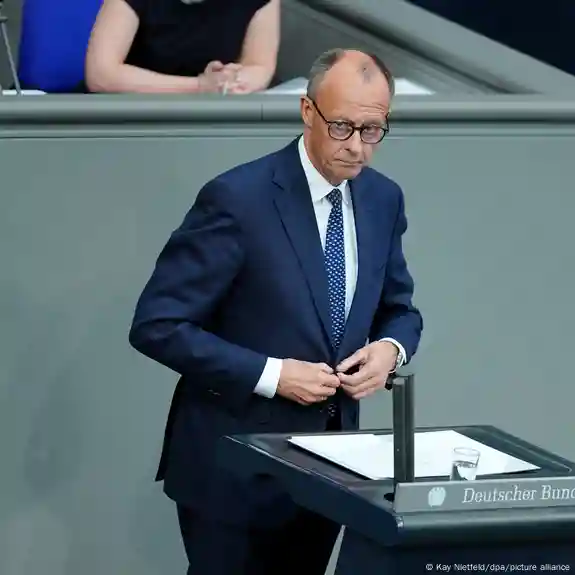
Germany’s newly elected chancellor, Friedrich Merz, revealed his government’s plans to the Bundestag, outlining a new path for the country’s economy, military, and foreign relations.
His speech on Wednesday painted a picture of urgency and ambition as he called for swift changes at home and stronger cooperation abroad.
The announcement came just days after Merz officially took office following a historic second-round vote. His cabinet, made up of mostly newcomers to federal government roles, will help shape what he hopes is a fresh start for Germany. Merz believes this new team, though lacking national experience, brings energy and fresh thinking to tackle some of the country’s biggest challenges.
Germany’s economy, long seen as the engine of Europe, has slowed down in recent years. Merz laid out his aim to bring it back to full speed. His plan includes new growth strategies to revive industries, support small businesses, and create jobs. He sees this economic boost as a key step in making Germany a leader in Europe once again.
One of Merz’s strongest goals is to rebuild the country’s military. He wants Germany to have the largest and most capable conventional army in Europe. This comes as tensions remain high due to the war in Ukraine. With security becoming a bigger issue in Europe, the chancellor said the country must be ready to protect itself and its allies.
On the international front, Merz spoke about working closely with the United States, especially when it comes to helping Ukraine. He stressed the need for strong ties with Washington and made clear that Germany supports Ukraine’s efforts to reach peace. He also backed upcoming negotiations involving Ukraine and Russia, urging all sides to come together.
Inside Germany, other developments added to the day’s headlines. A Berlin court blocked the deportation of four foreign nationals who took part in a pro-Palestinian protest. The protesters, from Ireland, Poland, and the US, had been told to leave after a demonstration at Berlin’s Free University. Immigration authorities said they posed a safety risk, but the court found flaws in the government’s handling of the case and allowed the individuals to stay until their appeals are reviewed.
The issue sparked public debate about how Germany handles protests and migration laws. The protesters said the government was unfairly targeting them for political reasons, and their lawyers claimed a major legal win. Police are still investigating the protest, but no formal convictions have been made.
As the new government takes shape, Germany faces both fresh opportunities and tough decisions. Merz is counting on his team and his plans to steer the country forward, balancing its role in the world with the needs of its people at home.