
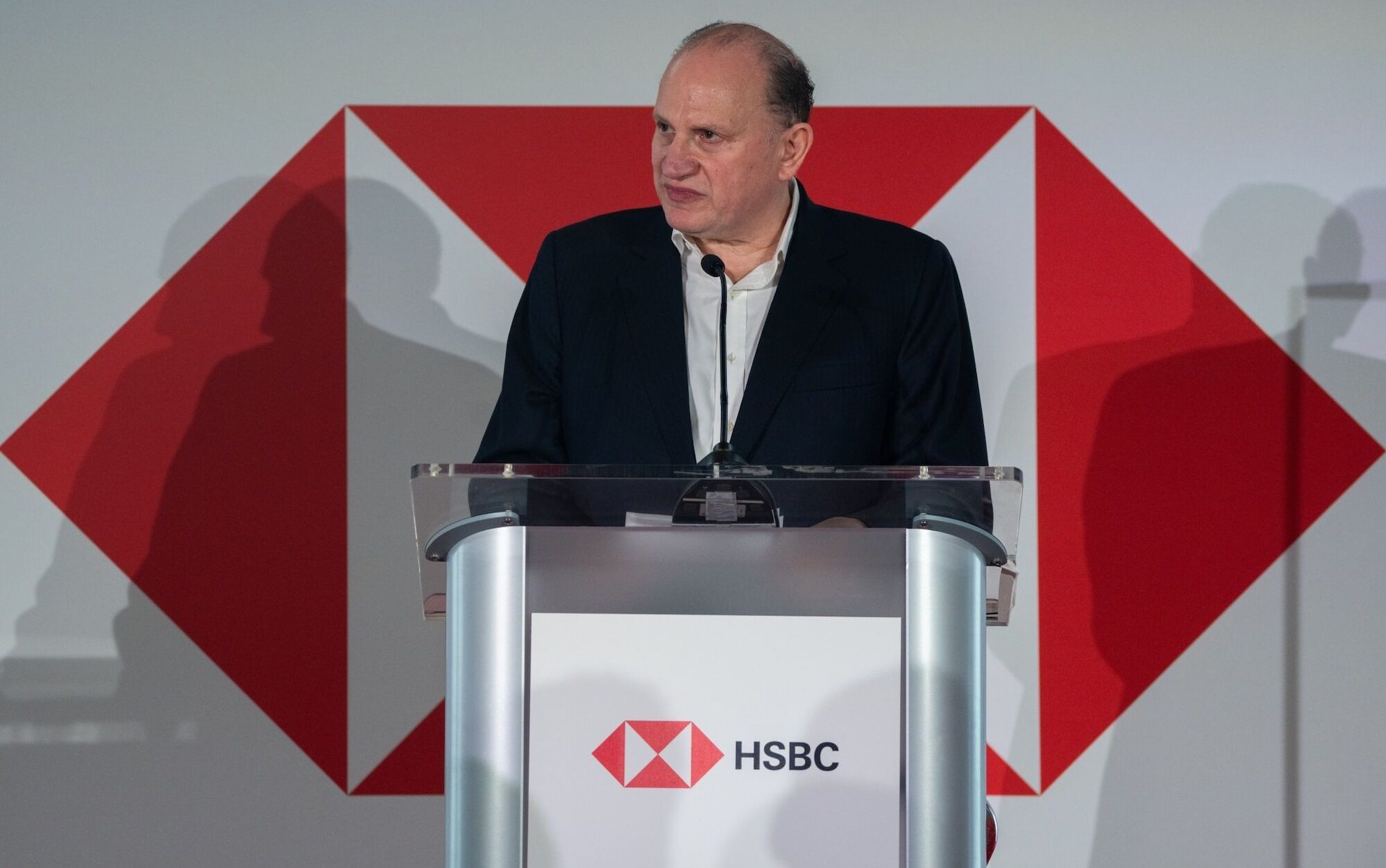
HSBC Chairman Mark Tucker has raised concerns about the future of global trade, suggesting that the era of globalisation may be coming to an end.
His remarks come as businesses and governments face shifting economic landscapes and rising geopolitical tensions.
Speaking at a financial event, Tucker addressed the growing uncertainty in global markets. He pointed to ongoing trade restrictions, economic nationalism, and supply chain disruptions as key reasons why the interconnected world economy is changing.
In recent years, companies and countries have moved toward more regional trade agreements and localised production. Economic shifts driven by political decisions, trade wars, and technological changes have altered the way businesses operate across borders.
Globalisation has played a major role in shaping economies, but recent events have forced many to rethink their strategies. The push for self-sufficiency in energy, technology, and manufacturing has led to new economic policies that may reduce reliance on international trade.
The financial sector is closely watching these changes, as they could impact investments, banking operations, and international markets. If globalisation continues to decline, businesses may need to adapt to a world where economic cooperation looks very different from the past.