
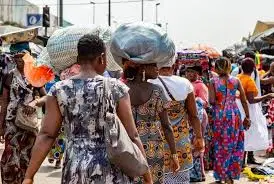
The escalating insecurity in Nigeria’s Southeast region has forced many residents to seek refuge in neighboring states, with Asaba emerging as a preferred destination.
From violent agitations to cult-related violence and rampant kidnappings, insecurity has crippled businesses, disrupted education, and instilled fear in communities across Anambra, Imo, Abia, Enugu, and Ebonyi states. Many residents, unable to endure the threats to their lives and livelihoods, are relocating to safer areas like Asaba, the Delta State capital.
Economic Toll of Insecurity and Sit-at-Home Orders
The insecurity crisis is compounded by the Indigenous People of Biafra’s (IPOB) sit-at-home order, which has paralyzed economic activities. Investigations reveal that micro and small businesses in the Southeast lost an estimated ₦4.618 trillion ($10.495 billion) in one year due to these enforced shutdowns.
According to data from the National Bureau of Statistics (NBS) and the Small and Medium Enterprises Development Agency of Nigeria (SMEDAN), nano and micro businesses—which constitute 96.9% of all businesses in Nigeria—suffered heavy losses across the region.
Breakdown of estimated weekly losses per state due to the sit-at-home order:
Anambra: ₦38.140 billion
Enugu: ₦9.334 billion
Imo: ₦13.739 billion
Ebonyi: ₦4.079 billion
Abia: ₦10.412 billion
Governor Chukwuma Soludo of Anambra State lamented the economic impact, stating that each sit-at-home day costs Anambra alone ₦19.6 billion. He warned that the continued shutdowns were driving businesses out of Igboland, worsening unemployment, and discouraging investors.
Failed Attempts to End the Sit-at-Home Culture
Governors in the region have made several attempts to halt the sit-at-home order, but the “enforcers” continue their violent tactics. Governor Peter Mbah of Enugu State directed government offices, businesses, and schools to open on Mondays, but compliance remains low due to fear of attacks.
Despite reassurances from security agencies, many residents prefer to err on the side of caution, leaving roads, banks, markets, and schools deserted every Monday.
The Road Ahead
While security agencies and state governments continue to seek solutions, the mass exodus of residents highlights the urgent need for concrete measures to restore law and order in the Southeast. Without lasting peace, the region risks further economic decline and population displacement, weakening its position as a key commercial hub in Nigeria.