
By Aaron Mike Odeh
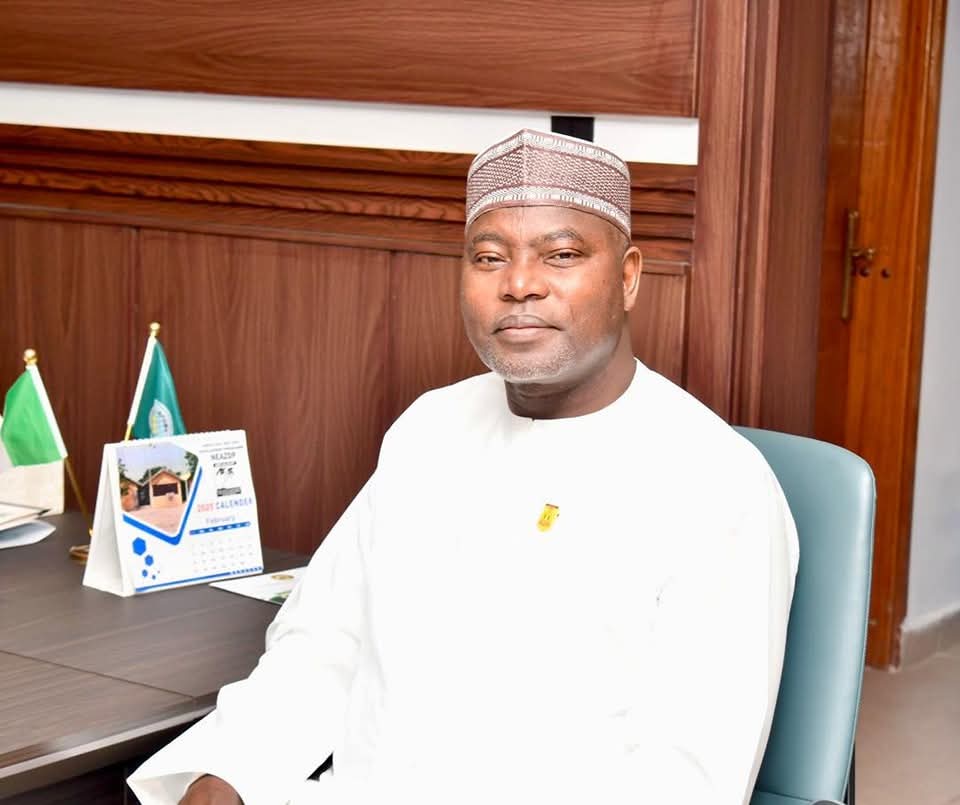
At a time when public confidence in the leadership class of Borno State, Northern Nigeria, and indeed the entire nation continues to decline, individuals whose character reflects empathy, integrity, and genuine public-spiritedness have become exceedingly rare. Among this diminishing circle stands Dr. Muhammed Kyari Dikwa, PhD, mni—a refined administrator and intellectual whose humane approach to leadership remains a striking contrast to the prevailing culture of aloofness among many of Nigeria’s elites.
As a young, vibrant Accountant General of Borno State more than twenty-two years ago, MK Dikwa set a benchmark that even today many accountants across the country struggle to attain. His legacy in public finance and fiscal discipline laid a foundation that still influences governance practices in the state.
Throughout his national service—particularly as Director of Funds within the federal financial management and public sector reform ecosystem—Dr. Dikwa distinguished himself not only by competence, but by character. Those who have worked with him often speak less of his titles and more of his temperament: his accessibility, calm disposition, humility, and sincere concern for people at every level of society.
In many ways, Dr. Dikwa reflects the virtues of the saints of old—people whom communities invoke for guidance and intercession. His humanity is not performative; it is woven into his daily interactions.
In an era where far too many elites equate leadership with intimidation and view public office as a license to strip resources from the poor, Dr. Dikwa proved that authority can coexist with humility. He earns respect not through force or theatrics but through fairness, diligence, and a deliberate commitment to treat people with dignity.
He listens in meetings.
He stays calm in disagreements.
He exercises restraint in power.
This gentle firmness—paired with a deep understanding of public finance—makes him a model of responsible leadership.
Nigeria’s governance challenges are widely acknowledged: arrogance in office, a widening disconnect between leaders and citizens, and an entrenched culture of impunity. These issues are not only institutional; they are behavioural. They stem from individuals who occupy positions of privilege but fail to embody the values required of their offices.
This is precisely why people like Dr. Dikwa matter: they show that a different leadership culture is possible.
Imagine a Borno State, a Northern Nigeria, and a nation where elites listen more than they speak; where power is exercised with empathy; where leadership is seen as a trust—not an entitlement. Imagine institutions led by individuals who understand that policy affects real people, and that governance is ultimately about service, not spectacle.
Dr. Muhammed Kyari Dikwa offers a glimpse of that possibility.
His humane disposition is not weakness—it is strength. It is the type of temperament that reduces tension, fosters collaboration, builds trust, and promotes transparency over fear. In a society where elites often distance themselves from ordinary citizens, his openness stands out as a refreshing and inspiring counterexample.
This is why many who encounter him—directly or indirectly—often arrive at the same conclusion:
“If most of Nigeria’s elites were like Dr. Muhammed Kyari Dikwa, the country would be fundamentally different.”
Nigeria needs leaders who pair competence with compassion, intellect with integrity, and authority with accountability. Leaders who understand the weight of their decisions and the human impact of their actions. Leaders who build instead of destroy; who listen rather than dominate; who serve rather than self-indulge.
Dr. Dikwa embodies this rare blend.
Composed by:
Aaron Mike Odeh
Public affairs analyst, human capacity-building specialist, and community development advocate.