
By Achile Danjuma
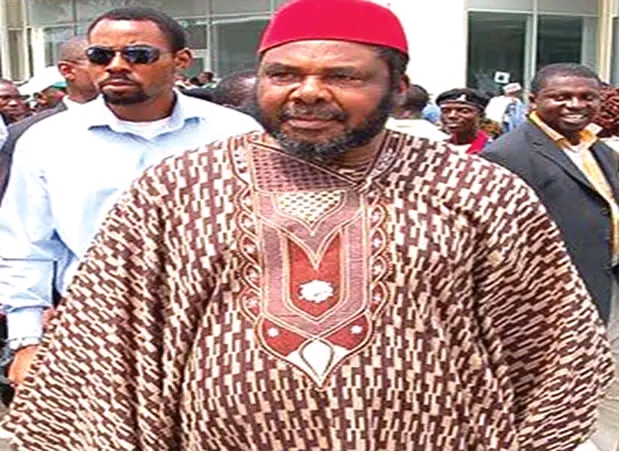
Veteran Nollywood actor Chief Pete Edochie has delivered a stark indictment of Nigeria’s enduring electricity crisis, revealing that he spends up to ₦40,000 every day simply to power his home — a reality he says underscores how deeply ordinary citizens are being burdened.
In a widely shared interview on African Independent Television (AIT) this week, the 78‑year‑old screen legend detailed how unreliable grid power and expensive alternative energy sources have pushed the cost of basic electricity to unsustainable levels.
According to Edochie, he pays about ₦10,000 daily for electricity units purchased from the distribution company, but also must spend an additional ₦30,000 on fuel — with ₦20,000 on diesel and ₦10,000 on petrol — to run generators to keep lights on.
“On the whole, I spend forty thousand every single day on light,” the actor lamented. “It disturbs me a big deal.”
Edochie’s disclosure highlights the wider economic strain placed on Nigerians as they cope with persistent blackouts, erratic grid supply and rising energy costs — even for those who can afford generators. At a projected ₦1.2 million per month, his power‑related expenses have become not just a personal concern but a reflection of broader systemic problems.
The actor’s critique also extended to Nigeria’s political leadership, whom he accused of appearing disconnected from the “common man’s” struggles. Edochie questioned whether political leaders truly understand or care about the day‑to‑day hardships faced by average citizens, suggesting that many are more focused on power and status than addressing basic infrastructure failures.
His comments have struck a chord with many Nigerians on social media, where users have shared similar frustrations about soaring electricity costs, reliance on costly generator fuel, and a national grid that delivers only sporadic supply in many regions.
Edochie’s remarks come amid continuing debates over Nigeria’s electricity market reforms and tariff adjustments, including controversial increases in Band A electricity prices that have left many consumers questioning the benefits of paying more for less reliable service.
Analysts say the situation underscores longstanding challenges in Nigeria’s power sector — from gas supply shortages that limit generation capacity to structural weaknesses in the distribution system — and highlight the need for more sustainable investment and governance reforms.