
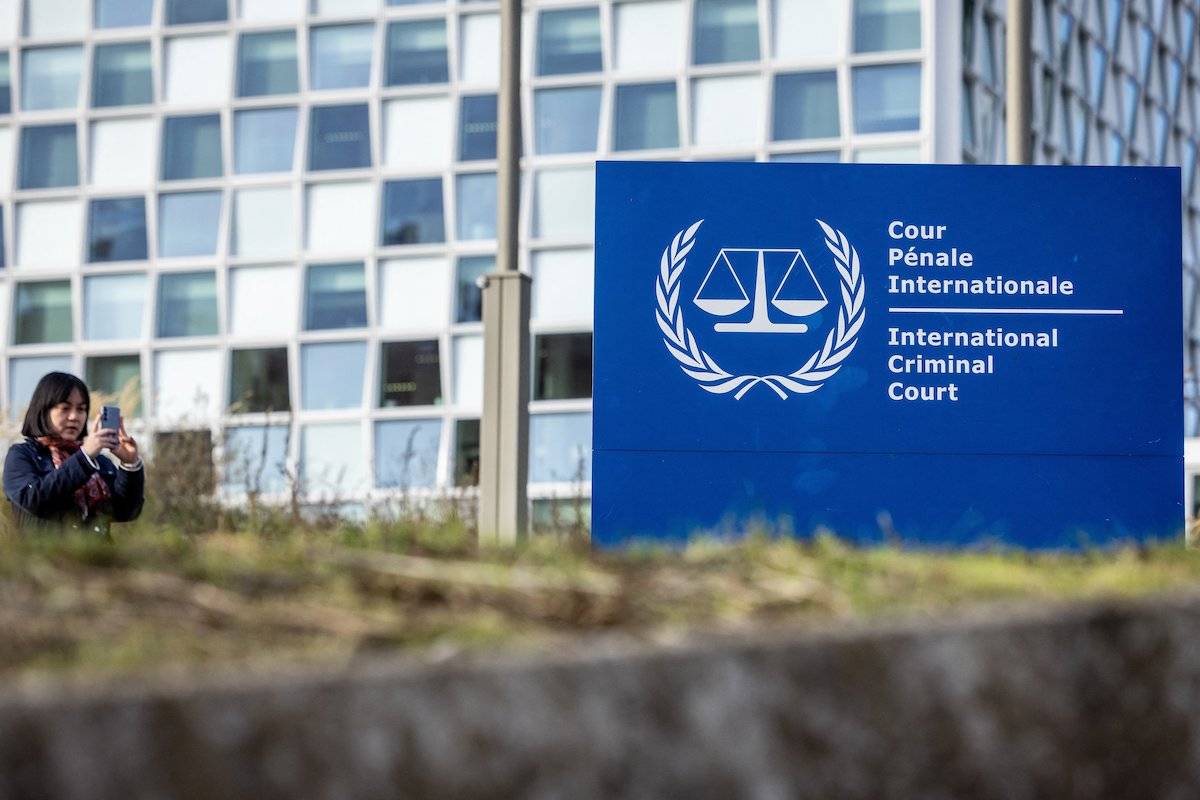
The International Criminal Court is seeking answers from Hungary after Prime Minister Benjamin Netanyahu visited the country earlier this month despite an active arrest warrant issued against him by the court.
The ICC is asking why Hungarian authorities did not act on the warrant during his stay from April 3 to April 6.
The situation came to light after it was confirmed that Netanyahu had traveled to Hungary and returned without any legal action taken. The ICC had issued the arrest warrant in November 2024, accusing Netanyahu of crimes against humanity related to the ongoing war in Gaza. As a member of the ICC, Hungary is legally bound to carry out such warrants, but no arrest was made during his recent trip.
The court has now asked Hungary to explain its decision not to detain the Israeli leader. Officials at The Hague have set a deadline of May 23 for Hungary to submit a formal response. This move suggests that the ICC is not taking the matter lightly and expects full cooperation from its member states.
So far, the Hungarian government has not publicly addressed the request or given any reason for failing to enforce the warrant. The silence has raised questions within the international community about Hungary’s stance on global justice and its commitment to ICC obligations.
Netanyahu’s brief stay in Hungary marks the first known trip to an ICC member state since the arrest warrant was issued. His travel is being closely watched, as any visit to a country that recognizes the ICC could lead to legal consequences. While many expected Hungary to follow protocol, the lack of action has now triggered formal proceedings.
The ICC’s move to hold Hungary accountable comes at a time of growing international pressure surrounding the conflict in Gaza. Netanyahu has denied any wrongdoing, but human rights groups have pushed for accountability over Israel’s military actions in the region.
This development adds tension to the already complex relationship between international law and national politics. As the court awaits Hungary’s explanation, legal experts are watching closely to see whether the case will set a precedent for how states handle future visits from individuals facing ICC charges.