
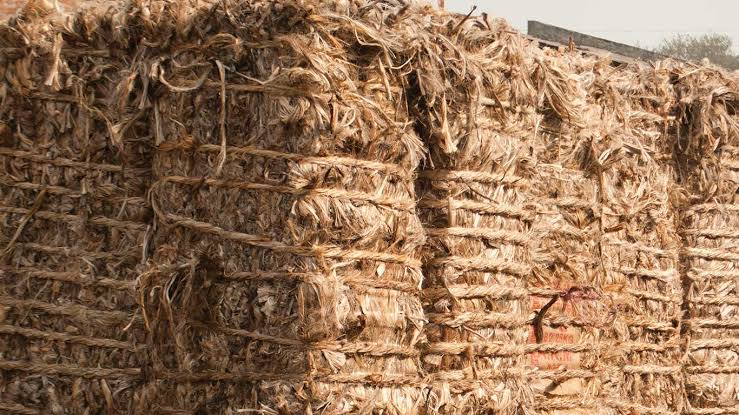
India has moved to restrict the import of jute goods from Bangladesh, barring their entry through all land ports along the shared border.
Under the August 11, 2025 directive from the Directorate General of Foreign Trade, these products can now only enter via the Nhava Sheva seaport in Maharashtra.
The restriction applies to a range of items, including bleached and unbleached woven jute fabrics, jute twine, cordage, rope, and sacks and bags.
Officials said the measure is intended to protect Indian jute mills from heavily subsidised Bangladeshi products that have been eroding domestic market share.
This decision follows earlier actions in June that began limiting certain textile and jute imports to seaports.
It also comes on top of long-standing anti-dumping duties imposed since 2017, which target several jute goods from Bangladesh after investigations found persistent under-pricing.
These duties have been periodically extended and reviewed.
The new rule will force Bangladeshi exporters to reroute shipments away from land crossings in West Bengal and the Northeast, potentially increasing transport time and costs.
Indian trade officials say the single-port entry will help improve quality checks, prevent misdeclaration, and allow better monitoring of consignments.
The move adds to a series of recent trade measures impacting India-Bangladesh commerce, a sector where jute and textiles remain key exports.
Analysts expect both governments to address the issue in upcoming trade discussions, with Bangladeshi producers seeking ways to reduce disruption to their shipments.