
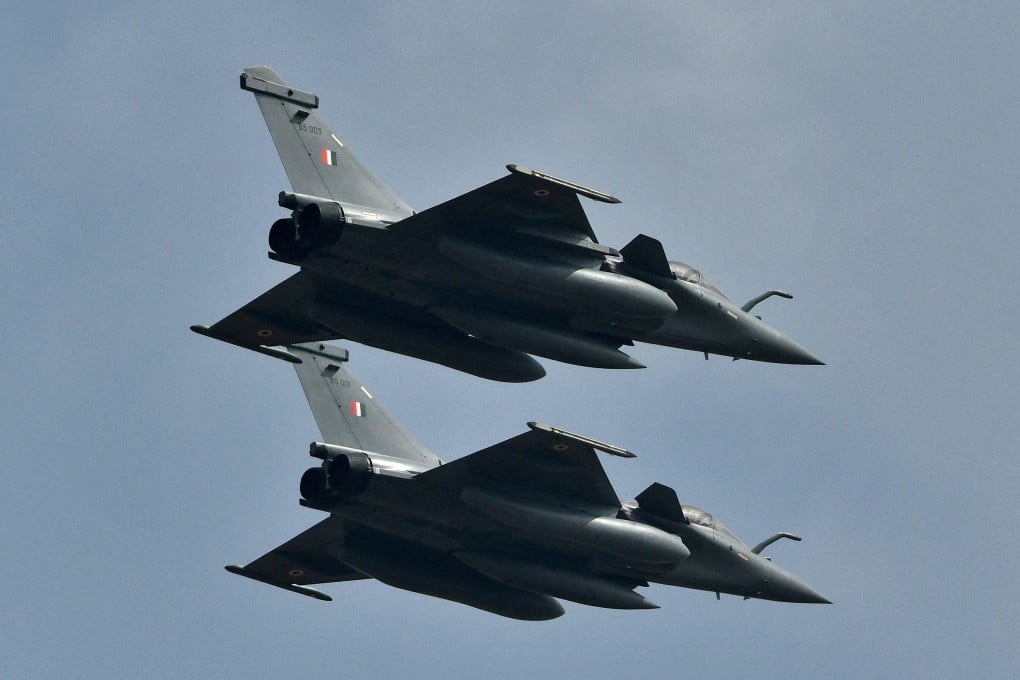
A recent aerial battle between India and Pakistan is drawing the attention of militaries worldwide, as it offered a rare look at how advanced fighter jets and air-to-air missiles perform in real combat conditions.
The clash involved Pakistan’s Chinese-made J-10 fighter jets and India’s French-built Rafale aircraft, marking one of the most closely watched military engagements in recent years.
The incident reportedly saw Pakistani jets down at least two Indian military aircraft. While both countries have had several skirmishes over the decades, this encounter is notable for the technology involved, especially for analysts tracking modern air combat capabilities.
For China, the performance of its J-10 jet and the long-range PL-15 air-to-air missile may prove to be a benchmark moment. The PL-15 is known for its extended range and advanced radar guidance. If confirmed as being used, its effectiveness could offer insight into how Chinese technology holds up against Western-made systems in an actual dogfight.
India’s Rafale jets, equipped with the European-made Meteor missile, were also part of the clash. The Meteor is one of Europe’s top radar-guided missiles and has been praised for its ability to hit targets at long distances with high precision. The comparison between the PL-15 and Meteor missiles is already sparking online debate and fueling assessments by defense experts.
Military analysts across the globe, including in China and the United States, are studying every detail. For both Washington and Beijing, which are preparing for potential flashpoints in the Indo-Pacific, such as Taiwan or the South China Sea, the battle serves as a live case study in modern air warfare.
While official confirmation of the specific missiles used is still pending, the encounter has opened the door for deeper evaluations of pilot training, radar systems, missile accuracy, and battlefield decision-making. Social media footage and satellite images are being used to piece together how the clash unfolded, and what it reveals about each side’s capabilities.
This skirmish is not just a moment of tension between two nuclear-armed neighbors—it is now a valuable reference point for countries looking to understand the strengths and weaknesses of both Chinese and European defense technologies. The impact of this clash could extend far beyond South Asia, influencing defense planning and arms development worldwide.