
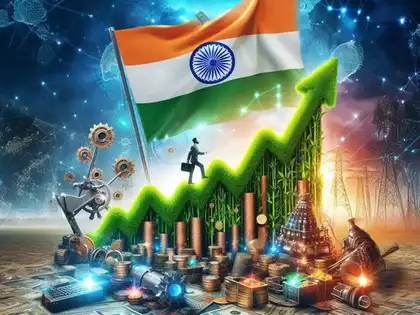
India is on course to become the world’s fourth-largest economy by the end of 2025, overtaking Japan, according to the International Monetary Fund.
The IMF’s latest World Economic Outlook suggests that India’s economy will cross the $4 trillion mark by the 2025–26 fiscal year, marking a major leap from its 10th place position just over a decade ago.
This economic rise reflects an impressive transformation. Since 2014, India’s nominal GDP has grown by over 100%, backed by a decade of consistent growth, digital expansion, and reforms pushed forward by the current administration. In recent years, India moved past the United Kingdom to become the fifth-largest economy, and now it is on track to surpass Japan, a G7 nation with a long history of industrial strength.
The rapid growth has sparked optimism at home and attention abroad. Policymakers and economists are calling it a sign of India’s increasing global weight, especially as major economies face slower growth or demographic challenges. India’s young workforce, rising consumption, and tech-driven services sector are all factors drawing investor interest and confidence in its trajectory.
However, the upward path is not without concerns. Despite the GDP numbers, per capita income in India remains far behind the countries it is set to surpass. Inequality, high youth unemployment, and patchy rural development continue to shadow the overall economic story. Many of the benefits of growth have concentrated in urban centers and certain sectors, leaving large parts of the population still dependent on agriculture and informal jobs.
Moreover, structural issues persist. Delays in judicial reforms, red tape in business processes, and gaps in infrastructure could slow the momentum if not addressed quickly. Rising interest rates globally, trade tensions, and oil price fluctuations also add pressure to the Indian economy, which remains vulnerable to external shocks.
Japan, meanwhile, though slipping in the GDP rankings, still maintains a strong edge in technology, innovation, and manufacturing quality. Its economy is highly developed and stable, and its per capita income continues to rank far above India’s.
While India’s potential is being recognized on the global stage, the next phase of its economic journey will depend not only on growth rates but also on inclusive development, stronger institutions, and bold policy decisions. The numbers point to progress, but the quality and balance of that progress remain key to sustaining the rise.