
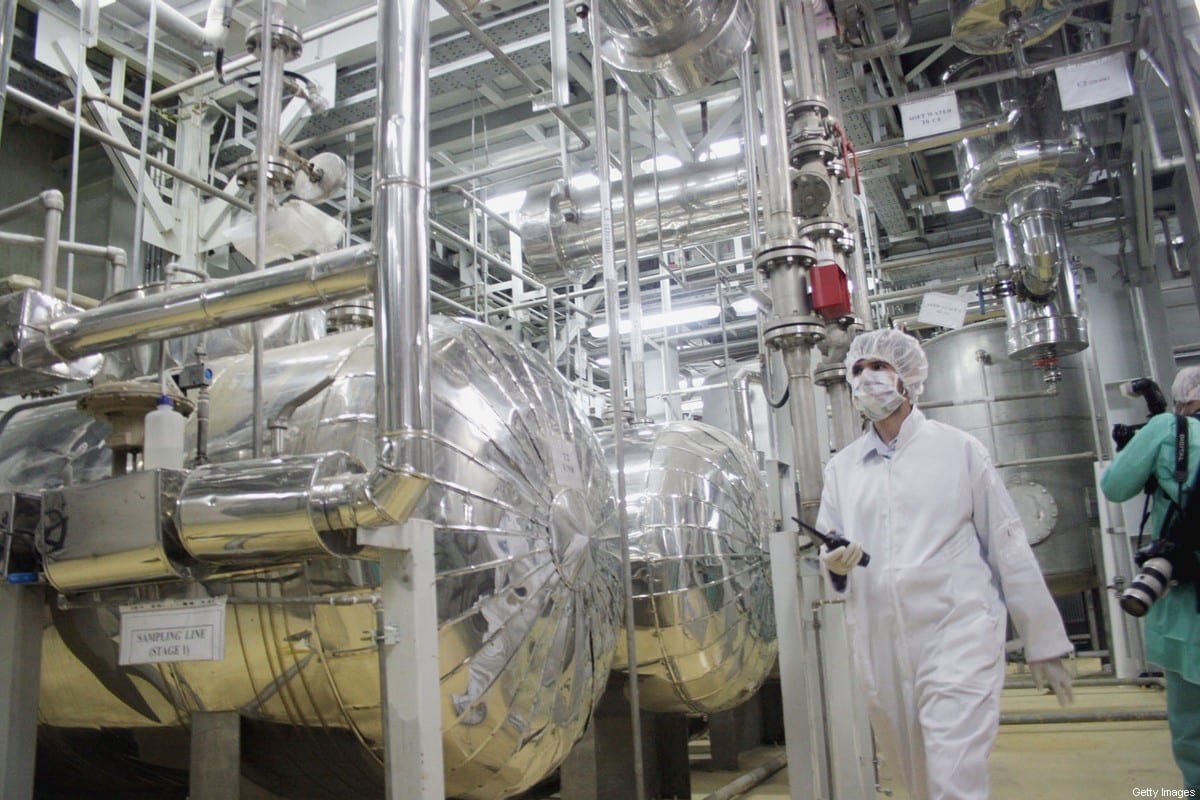
Iran has made it clear that it will not give up its right to enrich uranium, just days before key nuclear talks with the United States.
Foreign Minister Abbas Araqchi stressed that uranium enrichment remains a core part of Iran’s nuclear policy, and any discussions about it will happen on Iran’s terms. This statement comes as the two countries prepare to meet in Oman for the second round of negotiations on Tehran’s nuclear activities.
Tensions have been rising between Washington and Tehran, especially after comments from US negotiator Steve Witkoff, who said Iran must completely stop its uranium enrichment to reach a deal. Iran has responded firmly, saying it is open to building trust and addressing concerns, but it will not accept any demand to halt enrichment entirely.
The upcoming talks in Oman are part of a broader effort to prevent a military conflict, with President Donald Trump warning of possible military action if a deal cannot be reached. The negotiations are seen as critical, as Iran’s nuclear program has expanded in recent months, raising alarms in both the US and its allies.
Iran is also strengthening its diplomatic ties with Russia. On Thursday, Araqchi is expected to meet Russian President Vladimir Putin and deliver a message from Iran’s Supreme Leader, Ali Khamenei. This visit reflects Iran’s strategy of building alliances with major global powers as it pushes back against American pressure.
Russia’s role in the nuclear discussions remains uncertain. While the US has reportedly suggested that Iran transfer its enriched uranium to another country—possibly Russia—as a way to ease tensions, Iranian officials are expected to reject this idea. Tehran views such proposals as an infringement on its sovereignty and a threat to its long-term energy and defense plans.
Iran has long insisted that its nuclear program is peaceful, aimed at energy production and medical research. However, the program’s rapid progress and uranium stockpile growth have drawn suspicion from the West. With talks set to begin again, both sides are entering the discussions with deep disagreements, and the outcome could shape regional stability for years to come.
As negotiations near, Iran is showing no signs of backing down on what it sees as a matter of national pride and independence. The world will be watching closely to see if diplomacy can ease the growing tensions or if the standoff will move closer to conflict.