
Iran is stepping up pressure on journalists working for BBC News Persian by targeting their family members inside the country, according to a statement from the BBC.
The broadcaster says staff have faced threats, violence, and harassment not only themselves but also through increased intimidation of their relatives back home.
Family members of BBC Persian journalists are reportedly being subjected to harsh measures, including travel bans, passport seizures, and forced interrogations. In some cases, authorities have threatened to confiscate assets. The broadcaster says this growing pattern of abuse is designed to intimidate journalists and force them to give up their work.
This isn’t the first time Iran has been accused of pressuring journalists beyond its borders. For years, BBC Persian staff have been unable to return to Iran due to safety concerns. Now, the BBC reports, the situation is worsening, with the harassment moving beyond professional circles and into the personal lives of its employees.
The BBC says this campaign has continued despite repeated complaints filed with the United Nations. In both 2018 and 2022, the broadcaster took its concerns to the UN Human Rights Council, warning that Iran’s actions were in violation of international laws protecting press freedom. A new complaint is now being prepared, following what the BBC calls a deeply troubling escalation.
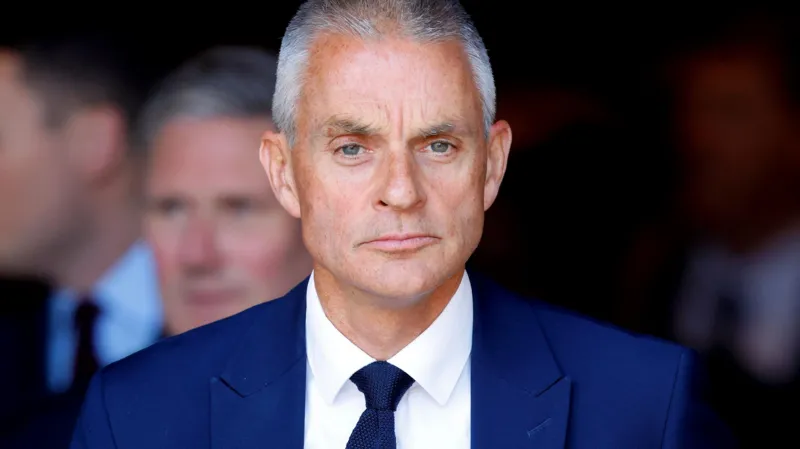
BBC Director General Tim Davie issued a public statement calling for Iran to stop what he described as an aggressive campaign aimed at silencing independent journalism. He described the treatment of staff and their relatives as a direct attack on freedom of the press and basic human rights.
Tehran has not yet responded to these latest claims. In the past, Iranian authorities have rejected similar accusations, often blaming the BBC for spreading misinformation and attempting to undermine the regime. Iranian officials have also claimed that foreign media outlets like BBC Persian encourage dissent and unrest inside the country.
BBC Persian broadcasts to millions of viewers each week, many of whom live in Iran, even though the service is banned there. Its reporting remains a critical source of news for people seeking independent coverage on domestic and international issues.
The United Nations has previously raised concerns over Iran’s treatment of foreign-based journalists. Special rapporteurs have highlighted the risks faced by reporters and their families, noting that harassment and surveillance tactics used by the Iranian state breach international human rights standards.
With fresh evidence of pressure on journalists’ families now coming to light, the BBC is pushing for renewed global attention and action. The broadcaster hopes international bodies will hold Iran accountable for what it sees as a growing effort to crush dissent and silence free reporting through fear.