
Iraq is in the final stages of negotiations with Algeria to secure a liquefied natural gas (LNG) supply agreement.
Sources indicate that the deal, expected to be announced within two months, will provide Iraq with one million tons of LNG annually under a medium-term contract. This move comes as Iraq looks for new energy sources after US sanctions disrupted its gas imports from Iran.
The imported LNG will be received at Khor Al-Zubair port in Basra, where Iraq is working on infrastructure upgrades. Plans include installing a floating storage and regasification unit (FSRU) and constructing a 40-kilometer pipeline to connect the facility to the national grid. The project is expected to be completed in five months, allowing Iraq to strengthen its electricity sector by summer 2025.
Iraq’s search for alternative gas supplies became urgent after Iran, which previously provided 50 million cubic meters of gas per day, halted exports in December due to increased domestic consumption. The situation worsened when the US revoked a sanctions waiver on March 9, restricting Iraq’s ability to purchase gas from Iran. However, some Iraqi officials have claimed that the waiver remains in place for gas imports, with restrictions only applying to Iranian-generated electricity.
In addition to talks with Algeria, Iraq is negotiating with Qatar and planning to increase electricity imports from Turkiye. The country has also signed an agreement with Turkmenistan to secure up to 20 million cubic meters of gas per day, which could meet nearly half of its power plant demand.
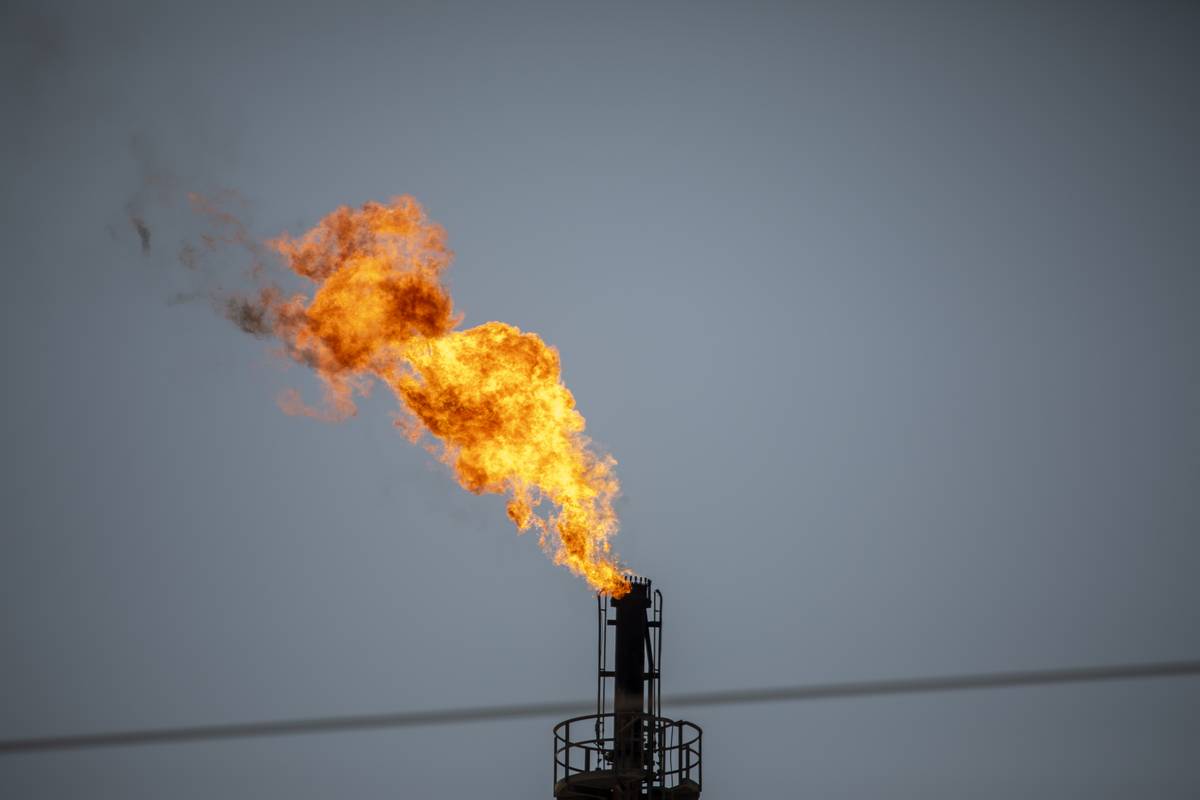
Despite efforts to reduce its dependence on imports, Iraq still relies heavily on external gas supplies. While the government aims to eliminate gas flaring and achieve self-sufficiency by 2030, Iraq’s gas-fired power plants, which generate 60% of the nation’s electricity, remain vulnerable to supply disruptions.