
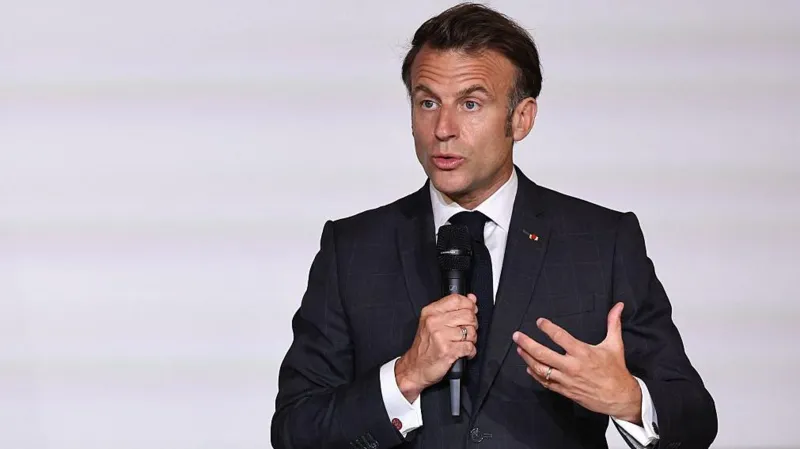
A new report shared with French President Emmanuel Macron says Islamist groups are using public institutions to quietly push their ideas across France.
The focus is on a group linked to the Muslim Brotherhood that operates under the Federation of Muslims of France. This network is believed to be growing stronger, quietly building influence in schools, local councils, and even associations meant to serve the public.
The report was prepared by two top civil servants and has sparked debate in the country. It looks closely at how the group is not working outside the system, but instead stepping into it. Their goal appears to be reshaping everyday French life by slowly encouraging stricter religious practices. This is not being done loudly or with confrontation. Instead, it’s happening in a quieter, more organized way, through education, culture, and local politics.
Investigators say the Federation has ties to more than a hundred mosques and dozens of schools and organizations. Many of these are legal and officially registered, but the concern is about the ideas they are spreading—especially to young children. The report points to changes in behavior, like more girls wearing headscarves or long dresses, even at a very young age. It also mentions that these groups are trying to create communities that live more by their own religious rules than by the country’s common laws.
The French government has already taken steps in recent years to stop groups that threaten national unity. This includes shutting down mosques and organizations found to be encouraging hate or violence. But this new report suggests that more subtle methods are being used now. It warns that while these efforts may not seem dangerous right away, they could grow over time if not addressed.
The Muslim group at the center of the report denies the claims. It says it is simply promoting its faith and helping Muslim communities feel more included. However, many politicians say the influence of foreign countries like Turkey and Qatar—who are believed to provide funding—makes this a bigger issue. They fear these outside forces are using French freedoms to push their own agendas.
Political leaders are divided on how to respond. Some conservative voices are calling for stronger rules to stop Islamist influence in public life. They say the law should prevent religious pressure in schools and local politics. On the other side, some left-wing leaders argue that the report is unfairly targeting Muslims and feeding public fear. They worry this could hurt France’s image as a country that respects all religions.
President Macron has asked for new proposals to be prepared quickly. His team is expected to meet again soon to decide what steps to take. The report also comes at a sensitive time, with local elections coming up. Some fear that religious groups may even try to run their own candidates, which could stir more tension.
France has a long history of separating religion from government life. But the country also has one of the largest Muslim populations in Europe. This makes the issue even more complicated. The government now faces the challenge of protecting its secular values without pushing away the very communities it is trying to include.