
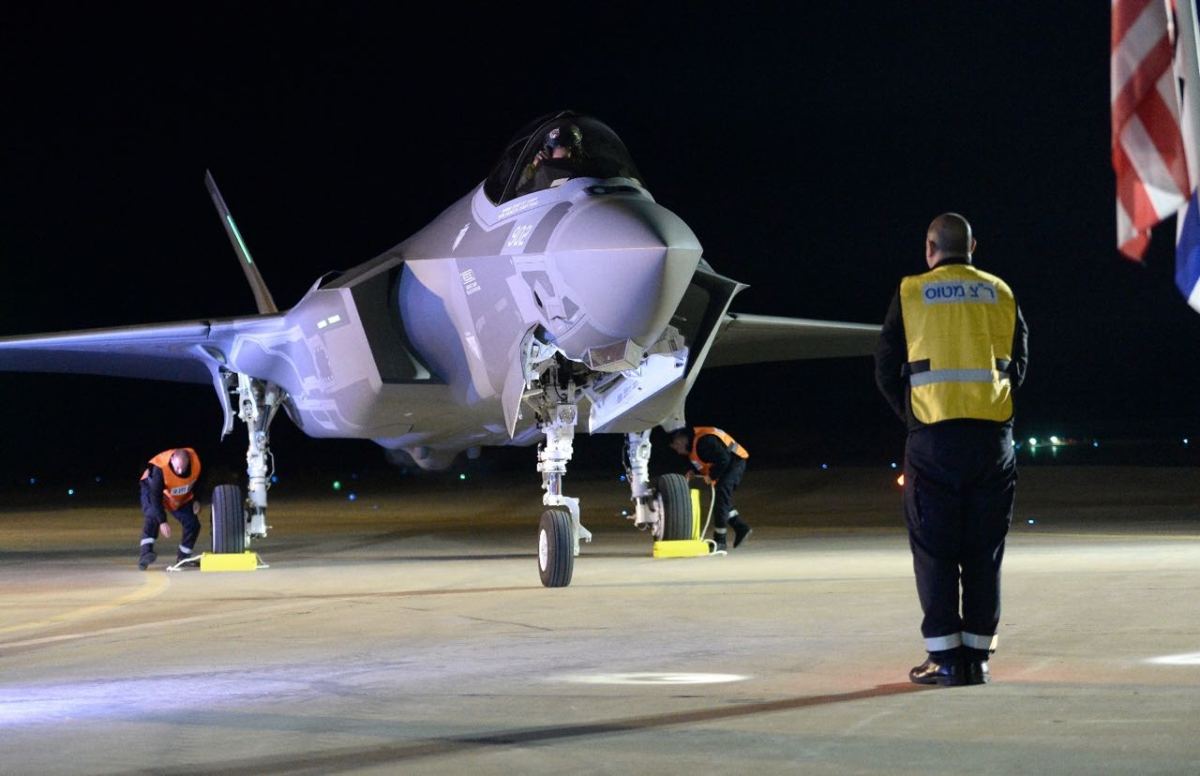
Israel has expanded its fleet of F-35 fighter jets with the arrival of three new aircraft on Thursday, bringing the total number in service to 45.
The Israeli army confirmed the delivery on Friday, stating that the jets had landed at Nevatim Airbase in the country’s south and would join the 140th Squadron of the Israeli Air Force.
The F-35, known for its advanced stealth technology and combat capabilities, has played a major role in Israel’s military operations since the war began last October. According to Israeli army spokesperson Avichay Adraee, the jets have been flying missions at an intense rate, reflecting their key role in ongoing military campaigns.
Israel was the first country outside the United States to procure the F-35 through a foreign military sales agreement, which it signed in 2010. It has committed to acquiring 75 of these fifth-generation aircraft from Lockheed Martin. So far, 45 have been delivered and integrated into the Israeli Air Force.
With no other country in the Middle East currently operating the F-35, Israel maintains a technological edge in aerial combat in the region. The jets are capable of carrying out deep-strike missions and are equipped with state-of-the-art surveillance and weapons systems.
The timing of the latest delivery comes as the war in Gaza continues to escalate. Since the conflict erupted in October 2023, nearly 51,400 Palestinians have been killed, with women and children making up the majority of the casualties, according to reports from Gaza health authorities. Israeli strikes have drawn widespread condemnation and sparked multiple international legal proceedings.
The International Criminal Court (ICC) issued arrest warrants last November for Israeli Prime Minister Benjamin Netanyahu and former Defense Minister Yoav Gallant, accusing them of war crimes and crimes against humanity linked to the Gaza campaign. In a separate case, Israel is also facing genocide allegations at the International Court of Justice (ICJ), where proceedings are ongoing.
While Israel continues to strengthen its air capabilities, international pressure over its conduct in Gaza is intensifying. Rights groups and legal experts argue that the use of overwhelming military force in densely populated areas has resulted in disproportionate civilian suffering, raising urgent questions about accountability and the rules of war.
The delivery of more advanced fighter jets underlines Israel’s military preparedness, but it also highlights the broader tensions surrounding the conflict. As the situation on the ground worsens, calls for de-escalation and diplomatic solutions are growing louder worldwide.