
Israel is preparing to respond after US President Donald Trump introduced a new set of import tariffs that includes a 17 percent duty on Israeli goods entering the American market.
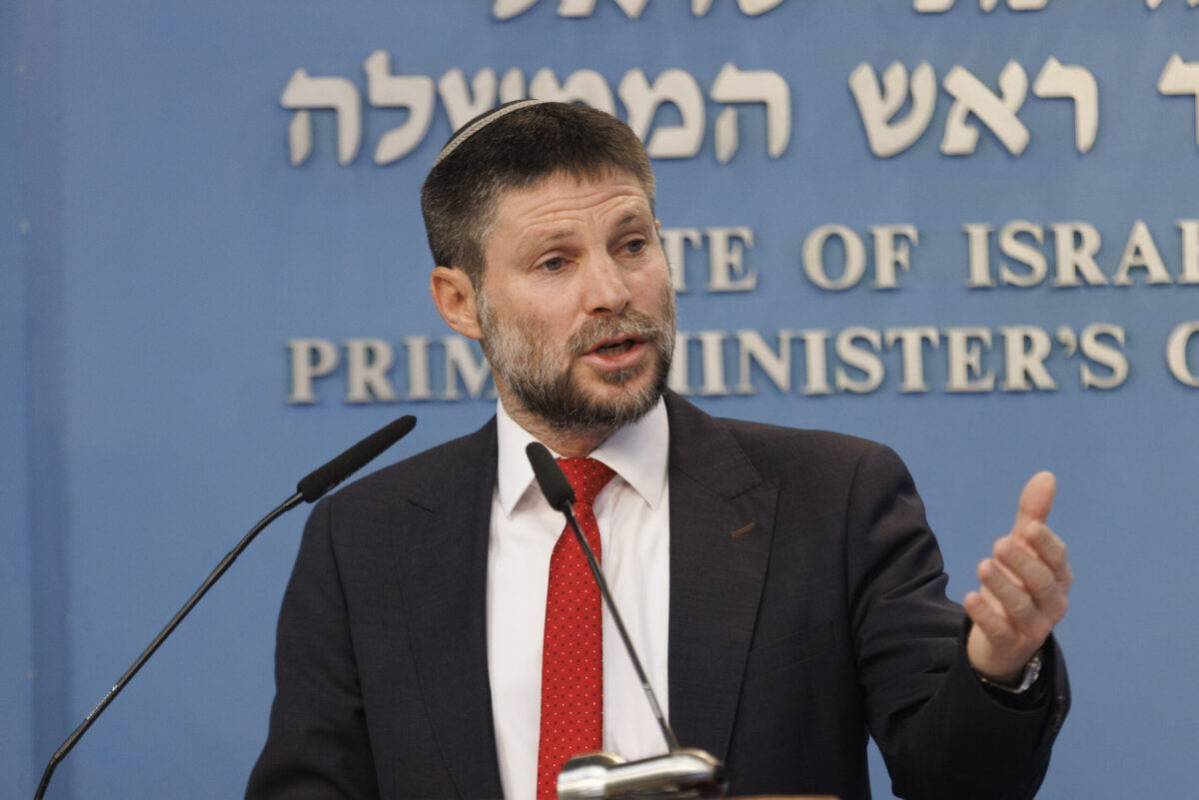
The announcement has triggered concern in Tel Aviv, with Israeli Finance Minister Bezalel Smotrich calling for urgent discussions with his team to protect the country’s economy.
Smotrich said he will meet with economic leaders and finance officials to assess the impact of the US decision and map out a plan to support Israeli industries. He stressed the need to explore both the risks and potential opportunities created by the new trade climate, and hinted at future engagement with the US administration to address the situation.
The decision from Washington came just one day after Israel removed its remaining tariffs on US imports, a move meant to strengthen its long-standing trade relationship with the United States. The two countries signed a free trade agreement four decades ago, and currently about 98 percent of American goods entering Israel are tax-exempt.
The abrupt shift in US policy could have significant economic consequences. The president of Israel’s Manufacturers’ Association, Ron Tomer, warned that the tariffs might destabilize Israel’s economy, scare off investors, and reduce the competitiveness of Israeli exports in the vital American market. He urged the government to act quickly and expressed hope that the tariff decision would be temporary.
The Manufacturers’ Association is working alongside the Finance and Economy Ministries to craft a plan to manage the fallout. They are also preparing to explore alternative export markets in case the US trade landscape becomes less favorable in the long term. At the same time, the group is pushing for intensive talks with Washington, aiming to reverse the new policy or at least minimize its effects.
Though Israeli exports to the US are diverse, agriculture appears to be one of the sectors most affected by the tariffs. Still, the total annual revenue from customs on US imports is relatively low, standing at roughly 42 million shekels, or about $11.3 million, according to the Israeli Finance Ministry.
With pressure mounting on both sides, Israel now faces a crucial economic challenge—maintaining strong trade ties with its closest ally while safeguarding its industries from the ripple effects of the new American tariff strategy.