
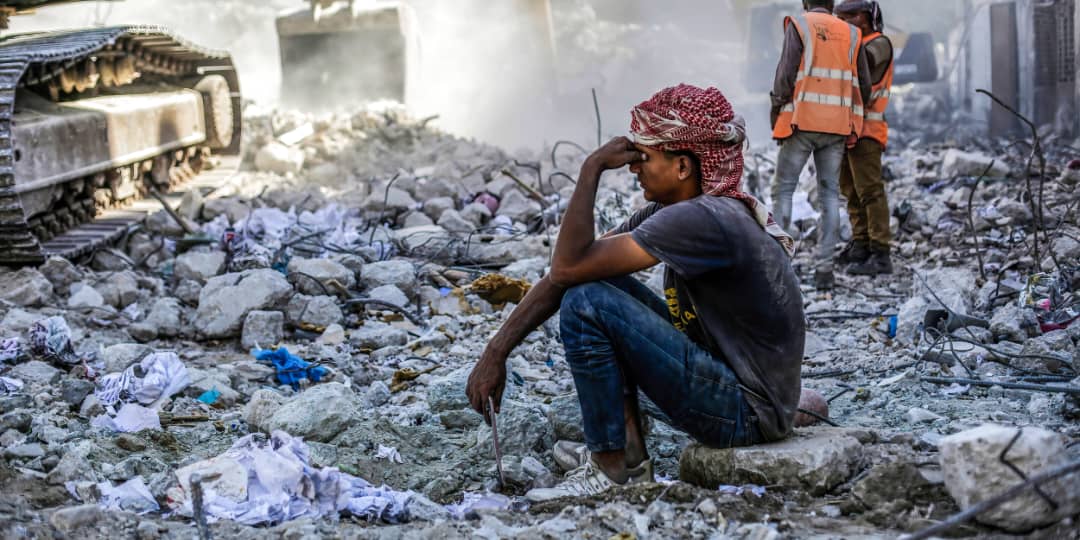
Medical sources in Gaza report that Israeli forces have killed 63 people since early Sunday.
The casualties were recorded in air raids and artillery attacks targeting Tuffah and Shujayea neighbourhoods in eastern Gaza City .
Among the dead are at least 19 children, seven women, and several people who were seeking humanitarian aid.
The violence unfolded as Israel declared daily ten-hour military pauses in parts of Gaza—such as central Gaza City, Deir al‑Balah, and Muwasi—to allow limited aid deliveries. Despite these “tactical pauses”, many Palestinians continued to die.
Reports indicate dozens were killed while waiting for aid trucks during the hours when fighting was meant to be suspended .
Attacks focused on eastern districts where earlier operations had already devastated Shujayea. In April, a major airstrike on that neighbourhood killed at least 35 people and injured over 70, with many buildings destroyed.
Since Israel resumed its military offensive on March 18, at least 55,000 Palestinians have died and thousands more wounded across Gaza, including many civilians, according to Gaza’s Ministry of Health and humanitarian sources.
The shrinking areas where civilians can live safely, combined with rising hunger and limited aid access, have forced many to crowd into displacement zones and rely on irregular aid distributions—places where attacks have also occurred.
Israeli officials say the limited pauses and aid corridors are intended to ease humanitarian suffering and counter claims of deliberate starvation. Still, aid groups and the UN continue pressing for a full ceasefire and open crossings to deliver essential supplies.
Civilian deaths remain widespread, and the crisis is deepening as military operations carry on in urban zones.