
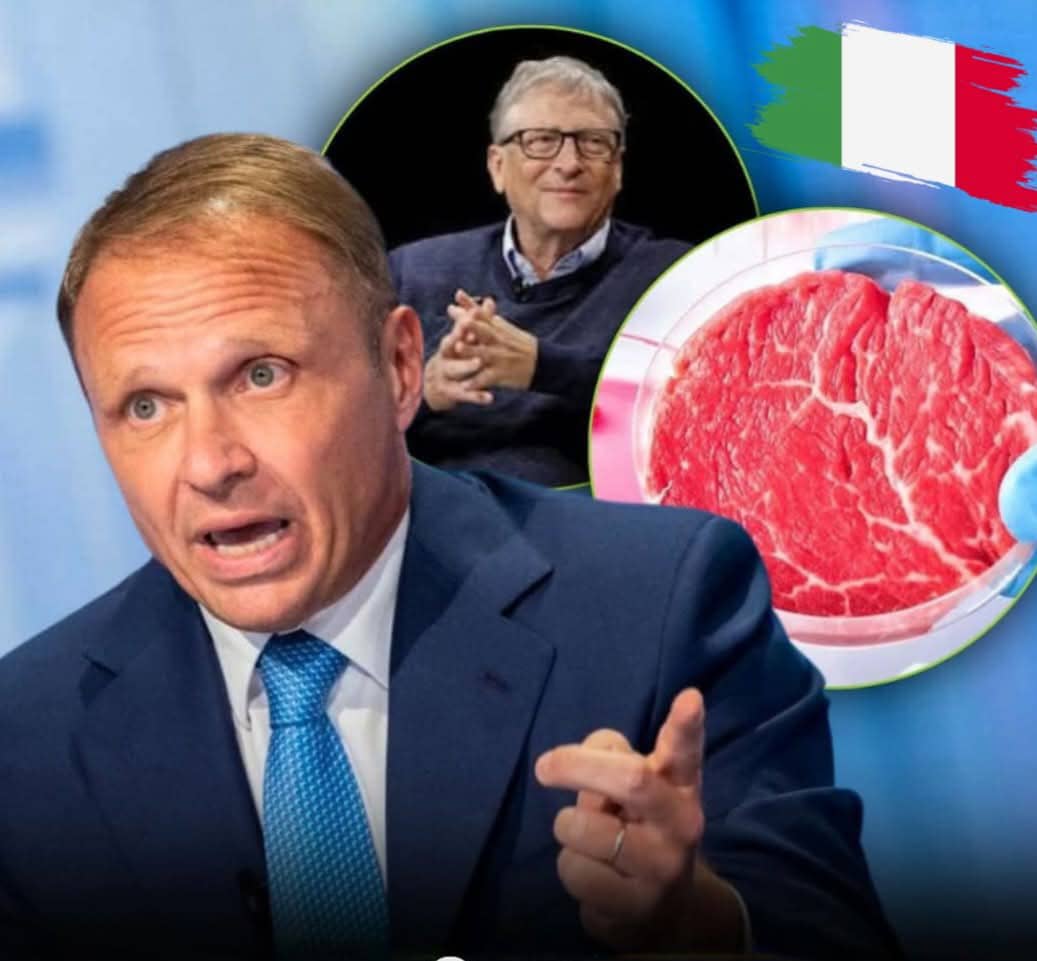
In a bold move to protect its rich culinary heritage and traditional farming practices, the Italian government has officially banned the production and sale of lab-grown meat. The decision, which has sparked a global debate, is seen as a defense of food sovereignty and a rejection of the growing trend towards industrialized food substitutes.
According to Italian authorities, the ban is necessary to protect the country’s centuries-old culinary traditions and to safeguard the interests of traditional farmers and family-run businesses. “We are proud to be the country of prosciutto, parmesan, and mozzarella, and we will not allow these products to be replaced by artificial alternatives,” said a government spokesperson.
The ban on lab-grown meat is part of a broader effort to promote and protect Italy’s food culture, which is deeply rooted in its history and traditions. “Food is not just a matter of sustenance, it’s a fundamental part of our identity and culture,” said Italian Agriculture Minister, Francesco Lollobrigida. “By banning lab-grown meat, we are protecting our farmers, our consumers, and our culinary traditions.”
The decision has been welcomed by many in Italy, who see it as a necessary measure to protect the country’s food sovereignty and cultural heritage. “This is a great day for Italy and for the future of our food culture,” said a local farmer. “We can’t let our traditions and way of life be dictated by global corporations and their industrialized food systems.”
However, critics of the ban argue that lab-grown meat could offer a more sustainable and environmentally-friendly alternative to traditional meat production. “Lab-grown meat has the potential to reduce greenhouse gas emissions, conserve water, and promote food security,” said a spokesperson for a biotech company. “Italy’s ban is a step backwards for the future of food.”
The ban on lab-grown meat in Italy is seen as a precedent-setting moment that could inspire other nations to protect their food identity from being reshaped by biotech giants. As the global debate over the role of technology in food production continues, Italy’s decision is likely to be closely watched by other countries and industry stakeholders.
“We believe that our decision will inspire other countries to take a closer look at the impact of lab-grown meat on their food systems and cultures,” said the Italian government spokesperson. “We are proud of our food culture and we will continue to defend it.”