
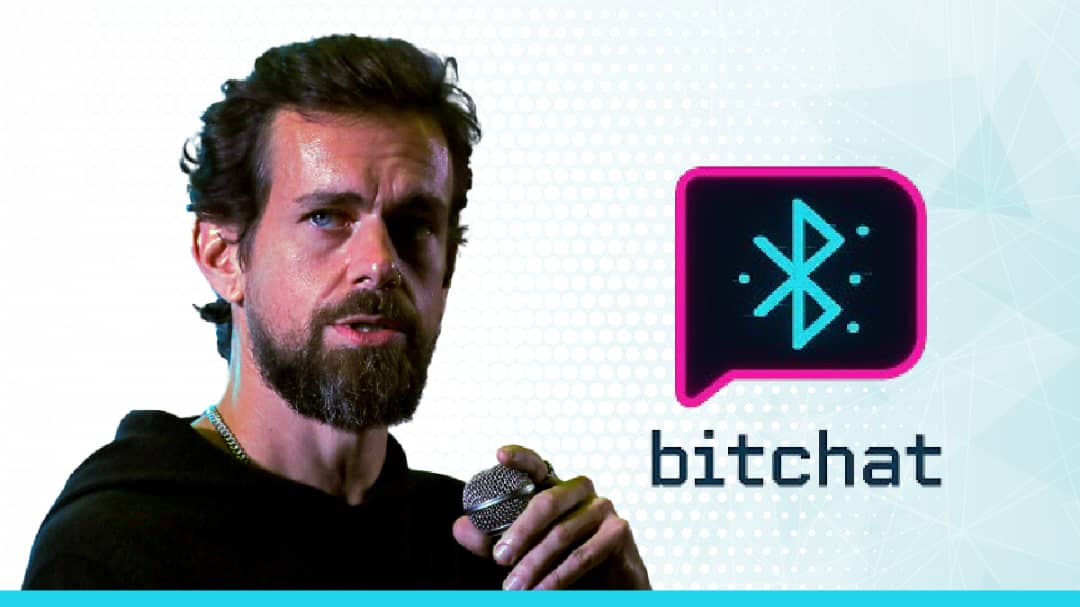
In July 2025, Jack Dorsey introduced Bitchat, a messaging tool built to work offline using Bluetooth Low Energy mesh technology .
Unlike typical chat apps, Bitchat doesn’t require cellular or Wi-Fi service.
Instead, it uses nearby devices as nodes in a peer-to-peer mesh network to pass messages across distances of up to around 100 meters—potentially up to 300 meters as device clusters grow .
The app has no central servers, no login system, and collects no personal information.
It creates a random display name when first launched, and users can customise it manually.
Messages remain only on individual devices and are encrypted end‑to‑end. They also disappear by default, without any data leaving users’ phones .
Dorsey coded Bitchat over a weekend in early July using Goose, Block’s open‑source AI coding assistant, as a way to test both his capabilities and the tool’s potential.
Within a day or two, basic chat features and private channels were added .
Initially made available via Apple’s TestFlight on iOS and via GitHub for Android, the app later reached the official iOS App Store by late July 2025.
However, Dorsey has acknowledged that Bitchat has not undergone external security audits. Researchers have demonstrated that impersonation is possible due to flaws in its authentication system.
Bitchat suits specific scenarios—such as areas with no internet, festivals, protest zones, or emergency situations.
Over time, plans to add Wi‑Fi Direct support could boost both range and speed.
This release reflects Dorsey’s continuing interest in decentralized, privacy-grounded communication tools inspired by projects like FireChat and his support for protocols like Nostr and Bitcoin-based systems .