
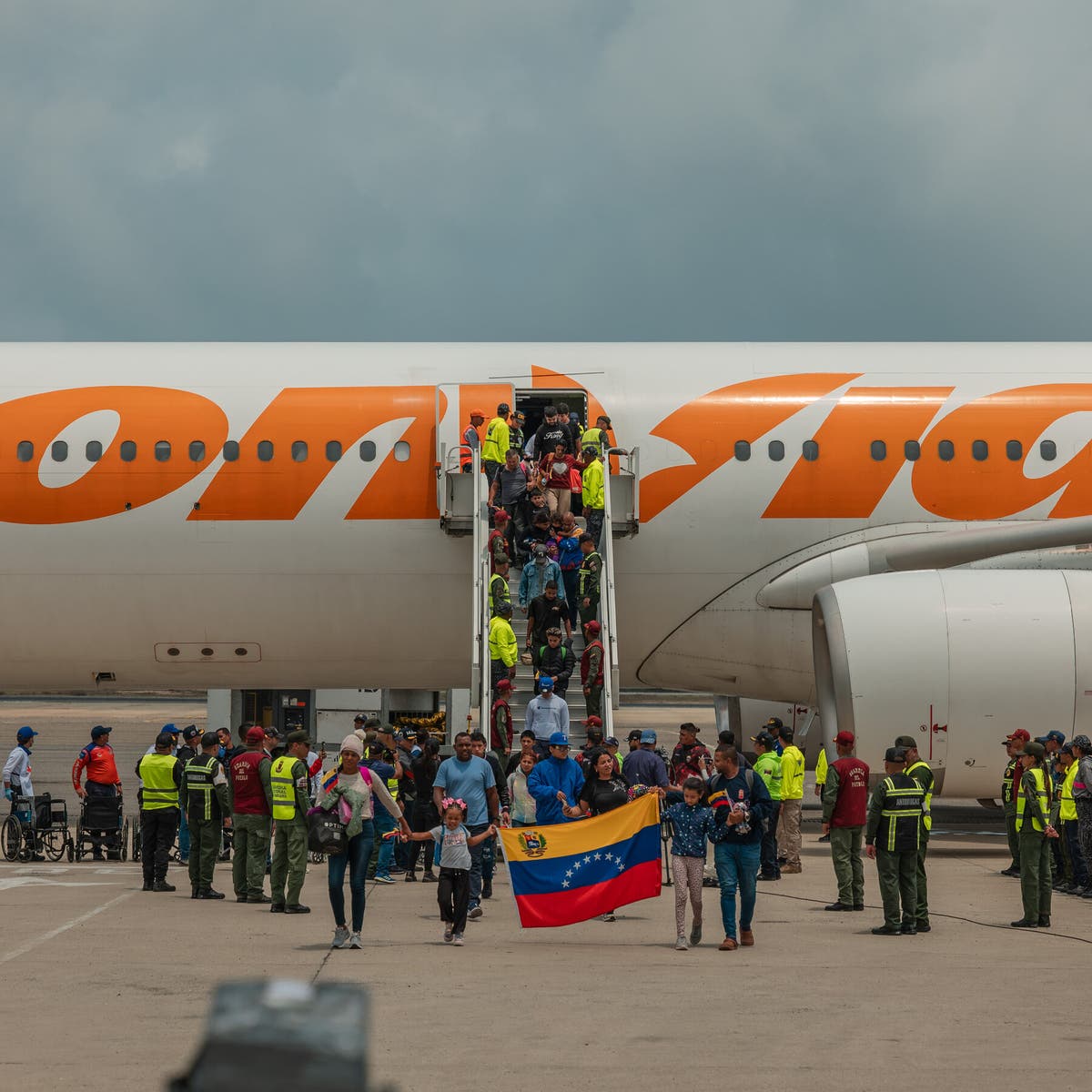
A federal judge in Texas has ruled against the Trump administration’s use of a centuries-old law to deport Venezuelan immigrants.
The decision affects the Southern District of Texas and stops the government from using the Alien Enemies Act to remove individuals it claims are tied to criminal groups.
The ruling was issued by Judge Fernando Rodriguez Jr., who said the administration’s reasoning did not meet the legal requirements of the law. The act, created in 1798, was meant for use during declared wars or when the country faces a military invasion. Judge Rodriguez stated that claims about a Venezuelan gang operating in the U.S. did not count as such a situation.
The Trump administration had tried to use the act to speed up deportations of Venezuelans it labeled as threats. This was part of a broader push to remove certain groups of immigrants from the U.S. more quickly. However, the judge determined that the law cannot be stretched to cover modern-day immigration concerns when no formal war or invasion has been declared.
Although the ruling is limited to southern Texas, it may influence other ongoing cases. Courts around the country are hearing challenges to similar deportation efforts, and this decision adds legal weight to those questioning the administration’s strategy.
Judge Rodriguez also noted that even the Supreme Court had already decided Venezuelans facing deportation under this policy must be given a fair chance to contest their removal. His ruling went further by barring the government from using the act entirely for Venezuelans in this region.
The Southern District of Texas includes major cities like Houston, Laredo, and Brownsville, where many affected immigrants live. Legal experts believe the decision could help shape how other courts view similar uses of the law in future deportation efforts.
The White House has not yet responded to the ruling. Meanwhile, immigration advocates view the decision as a step toward protecting due process for those facing removal under outdated legal tools.