
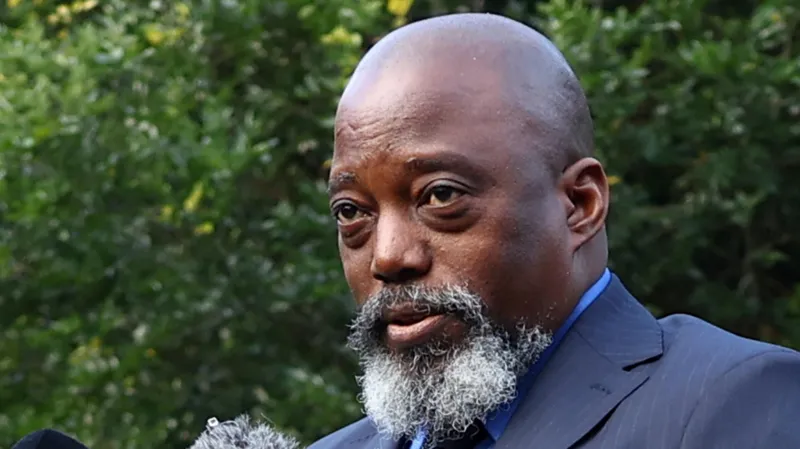
The Democratic Republic of Congo is pushing to remove legal protections from former President Joseph Kabila.
The move comes after government officials accused him of having ties to the M23 rebel group, which has been active in the eastern part of the country. Officials claim they have collected evidence and testimony linking him to the armed group, which continues to fight government forces and occupy key areas.
The action is being led by Justice Minister Constant Mutamba, who recently asked the senate to cancel Kabila’s lifetime immunity status. This status was granted to him after he stepped down from the presidency, allowing him to avoid prosecution while holding the title of senator for life. Removing his immunity would open the door for a possible trial.
Kabila ruled the country for 18 years after taking over from his father, Laurent Kabila, who was assassinated in 2001. During his time in power, Joseph Kabila won two elections, though his later years in office were marked by protests and accusations of delaying democratic processes. He eventually handed over power to Félix Tshisekedi in 2019, following a disputed election.
Since 2023, Kabila has been living in South Africa, where he was said to be working on academic research. In January 2024, he completed a doctoral thesis focused on Africa’s global partnerships. Despite being away, rumors spread recently that he had returned to Goma, a city under M23 control. His political party denied those reports.
The government has also banned Kabila’s party, the People’s Party for Reconstruction and Democracy (PPRD), accusing it of not clearly opposing rebel activity. Authorities say the former president should return to the country and respond to the charges. His assets in DR Congo have already been seized by order of the justice minister.
While the legal process unfolds, DR Congo is also trying to end the ongoing conflict with the M23 group. The country has been working with Rwanda to create a peace agreement, even though Rwanda denies helping the rebels. Talks between the two governments recently took place in Washington, and a draft deal is expected soon.
The situation remains tense as many civilians in eastern Congo continue to suffer from displacement and violence linked to rebel operations. The legal move against Kabila adds another layer of complexity to a crisis that has already caused major unrest.