
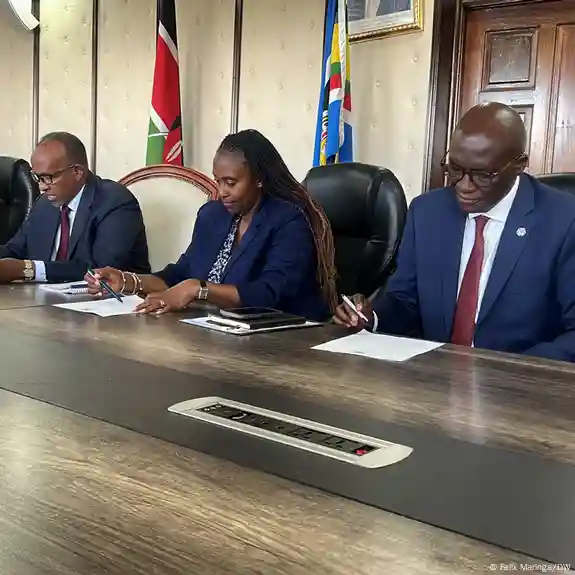
Kenya has launched a sweeping investigation into illegal kidney transplants after a joint media report exposed a disturbing organ trafficking network operating within the country.
The exposé, led by DW and other German media outlets, detailed how a clinic in Kenya became a hub for the sale and transplant of kidneys, with both poor donors and desperate recipients caught in the middle.
The government acted swiftly after the report’s release, ordering an immediate stop to kidney transplant operations at Mediheal Hospital, the facility named in the investigation. The clinic, located in Kenya, is now under close scrutiny as officials seek to determine how it became a center of an international organ trade involving patients and doctors from several countries.
The report revealed how young Kenyans, often struggling financially, were pushed into selling their kidneys. At the same time, patients in need of urgent transplants were brought in from abroad, with little oversight or ethical checks. Journalists followed the trail of organ sellers and buyers, gathered documents, and interviewed whistleblowers and medical staff to uncover the scale of the operation.
In response to the revelations, Kenya’s Ministry of Health suspended two senior officials believed to have interfered with an earlier investigation in 2023. These officials, Dr. Maurice Wakwabubi and Dr. Everlyne Chege, were accused of blocking a key report from reaching the health ministry. A new committee has now been formed to restart the probe and is expected to deliver its findings within 90 days.
Health Minister Aden Duale addressed the public on Thursday, confirming that foreign doctors involved in the alleged scheme had their licenses suspended. These practitioners, mostly from Pakistan and India, are also now subject to a full review. The crackdown excludes doctors from East African countries, who are not part of the current suspension.
In addition to the suspensions, the government will now carry out a detailed audit of every kidney transplant conducted in Kenya over the past five years. This move is aimed at exposing any further unethical practices and closing loopholes in oversight.
Duale promised that Kenya’s health sector would be cleaned up, and that patients’ rights would be protected. He also assured citizens that his ministry is committed to restoring faith in the country’s medical system, which has now been shaken by the disturbing revelations.
The investigation continues as Kenya works to hold those responsible accountable and ensure medical ethics are enforced. The case has raised serious questions about the vulnerability of poor populations and the role of foreign influence in local healthcare practices.