
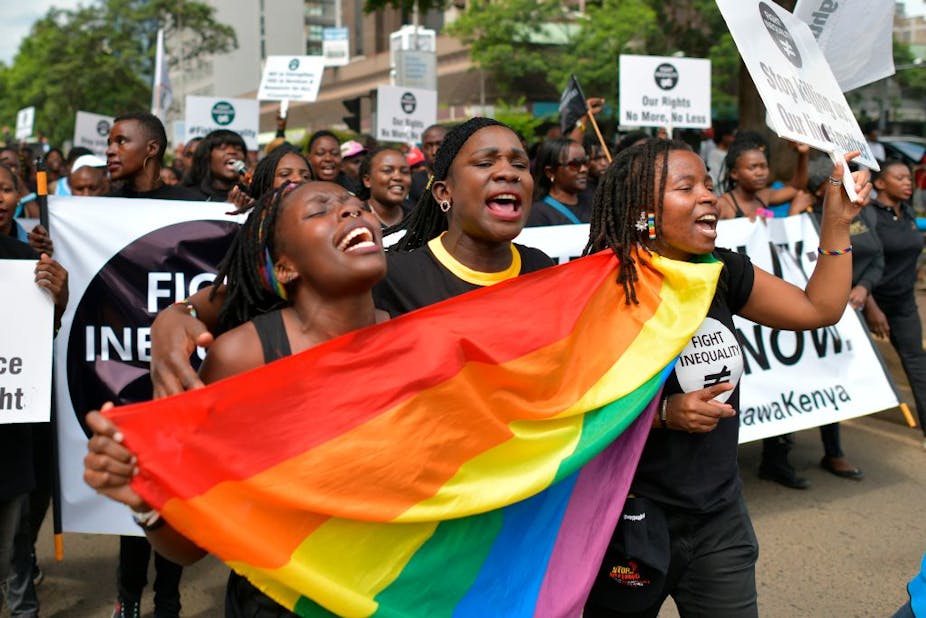
Kenya is at risk of losing billions due to a newly proposed law that targets the LGBTQ+ community.
The legislation has sparked concerns among international investors and human rights organizations, who warn of potential economic consequences.
The proposal has been introduced by lawmakers who argue it aligns with the country’s values. However, critics believe it could lead to trade restrictions, reduced foreign aid, and boycotts from key international partners. Many businesses fear that the law could create a hostile investment climate.
Economic experts warn that international donors and businesses might withdraw funding or relocate, affecting industries like tourism and technology. Some foreign companies have already hinted at reconsidering their operations if the law is passed, which could impact job opportunities and economic growth.
International pressure is mounting as global organizations urge the government to reconsider the legislation. Several Western countries, which provide substantial financial aid and investment to Kenya, have spoken against the bill. The possibility of sanctions or funding cuts remains a major concern.
Local activists and civil rights groups are also voicing their opposition, arguing that the law could fuel discrimination and harm the country’s global reputation. Protests and debates are ongoing, with many calling for policies that promote inclusion rather than division.
The government now faces a tough decision as it balances political interests with economic realities. With potential financial losses on the horizon, Kenya’s leaders must weigh the long-term impact of the law before moving forward.