
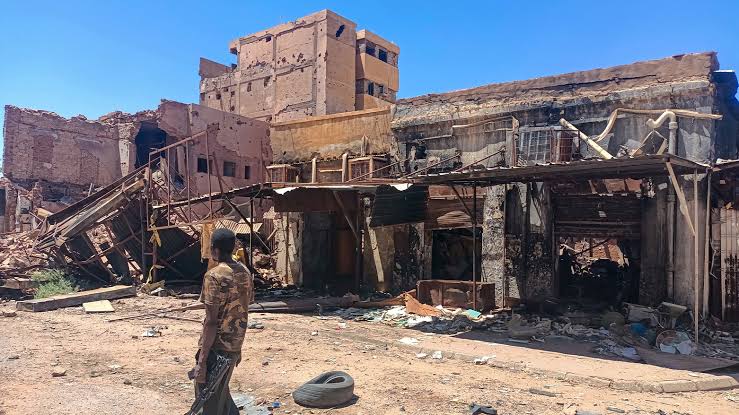
Sudan’s capital is taking its first steps toward recovery after more than two years of civil war left Khartoum in ruins.
The conflict began in April 2023 when tensions between the Sudanese Armed Forces (SAF) and the paramilitary Rapid Support Forces (RSF) erupted into open warfare, devastating the city and driving millions from their homes.
In March this year, SAF regained control of Khartoum after some of the war’s fiercest battles.
While this shifted the front lines, it also left the capital’s core in shambles, with destroyed infrastructure, damaged public buildings, and neighborhoods reduced to rubble.
Before the war, Khartoum was home to millions. Around 4 million residents fled in the early months of fighting, but the United Nations now expects nearly half of them to return before the year ends.
Whether they can resettle depends heavily on rebuilding progress.
Critical facilities remain in disrepair. Water plants, power grids, the presidential palace, and several ministry offices have been hit.
Cultural landmarks have not been spared either: UNESCO has reported attacks on the National Museum and widespread destruction of schools, many of which are now being used as shelters.
Local authorities and volunteer groups have begun clearing debris and repairing power and water lines. Yet full recovery will take years and vast resources.
The UN estimates that restoring even basic infrastructure will cost at least $350 million.
The risks extend beyond rebuilding. Large parts of the city are contaminated with unexploded bombs and land mines, posing an ongoing threat to returning families.
Humanitarian groups say tens of thousands have been wounded nationwide since the war began, though precise numbers remain unclear.
Across Sudan, more than 12 million people have been displaced.Around 4 million have crossed into neighboring countries, while millions more remain displaced within Sudan’s borders.
For Khartoum, rebuilding has begun, but the scale of destruction means recovery will be a long and fragile process.