
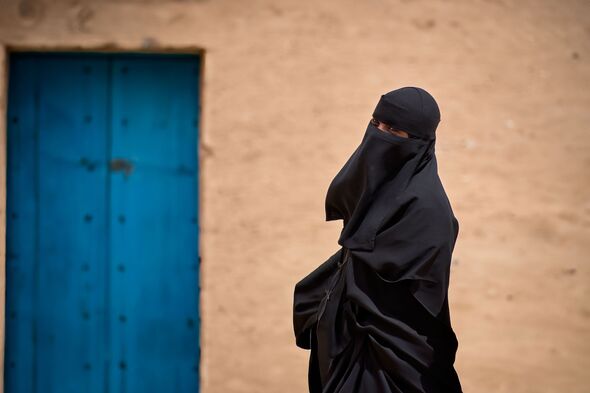
Kyrgyzstan, a Muslim-majority country in Central Asia, has passed a new law banning women from wearing the niqab, a full-face veil that leaves only the eyes visible.
The government claims the ban is aimed at enhancing public safety, warning that face-covering garments could be used by “attackers in disguise.”
The new law includes a fine of 20,000 Som (about £179 or over half the average monthly salary) for anyone caught wearing the niqab. Officials say the goal is to reduce the risk of extremism and maintain social order. The Spiritual Administration of Muslims of Kyrgyzstan supported the move, stating that the niqab is “alien to our society” and not part of the country’s Islamic traditions.
President Sadyr Japarov, who approved the law, emphasized that Kyrgyz women have traditionally not worn the burqa or niqab, and the law is focused on preserving cultural identity and public safety. However, the hijab, which covers the hair but leaves the face visible, is still allowed and even described as part of national tradition.
The move comes as Central Asian countries grapple with concerns over rising Islamist radicalization, particularly after many citizens joined extremist groups during the height of the Islamic State between 2013 and 2015.
While the ban has been supported by some within the country, it’s also expected to raise debate over religious freedom versus security policies, especially in a nation where about 90% of the population is Muslim.