
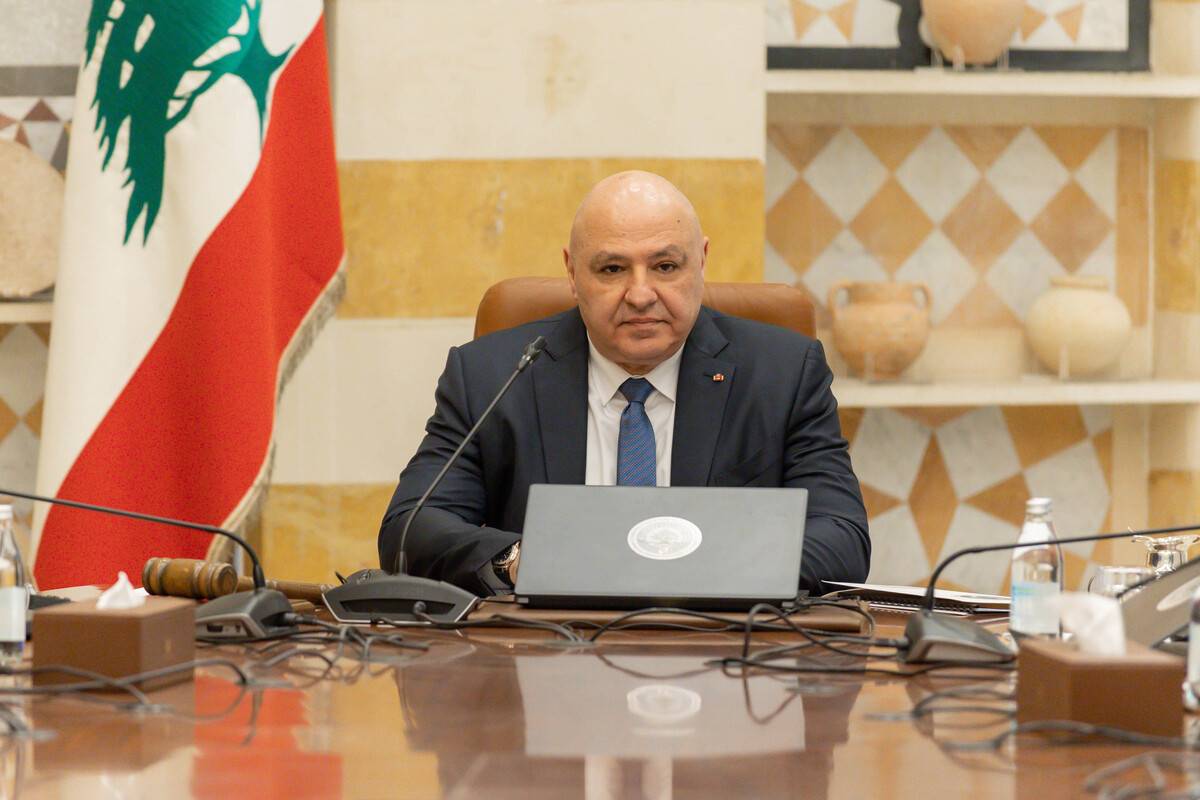
Lebanon plans to bring all weapons under state authority, but this move will only happen when the right conditions are in place, according to President Joseph Aoun.
His comments came during a Sunday meeting with Cardinal Bechara Boutros Al-Rai, the head of the Maronite Church.
Aoun made it clear that the Lebanese Armed Forces are the only body responsible for safeguarding the country’s sovereignty and independence. While he did not mention Hezbollah by name, he said the issue of non-state weapons would be handled with “vision and responsibility” and pledged to work with the government to maintain civil peace.
He emphasized that Lebanon does not want war and that any steps regarding disarmament would be taken carefully. “We will place the weapons under state control, but we are waiting for the right conditions to determine how this will be done,” Aoun said, signaling a long-term strategy rather than immediate action.
Hezbollah has yet to issue a response to the president’s remarks. However, Aoun previously stated in an interview that he aims to bring all weapons under state control by 2025. He also suggested that Hezbollah fighters could be integrated into the Lebanese army with special training.
Disarming Hezbollah has been a key part of United Nations Security Council Resolution 1701, passed in 2006 after a deadly war between Hezbollah and Israel. The resolution also calls for a buffer zone in southern Lebanon and the enforcement of the Taif Agreement, which outlines the disarmament of all militias.
Pressure from the international community has been rising since a ceasefire deal last November ended over a year of border clashes between Hezbollah and Israeli forces. Despite the agreement, Israel has reportedly violated the truce over 2,700 times, leading to nearly 200 deaths and hundreds more injured, according to Lebanese authorities.
Under the ceasefire, Israel was supposed to withdraw from southern Lebanon by January 26, but that deadline was extended to February 18 due to non-compliance. Israel still holds five military outposts along the border, keeping tensions high in the region.
For now, Lebanon’s government continues to stress dialogue and national unity as it weighs how and when to assert full state control over arms.