
Lebanon plans to bring all weapons under government control by 2025.
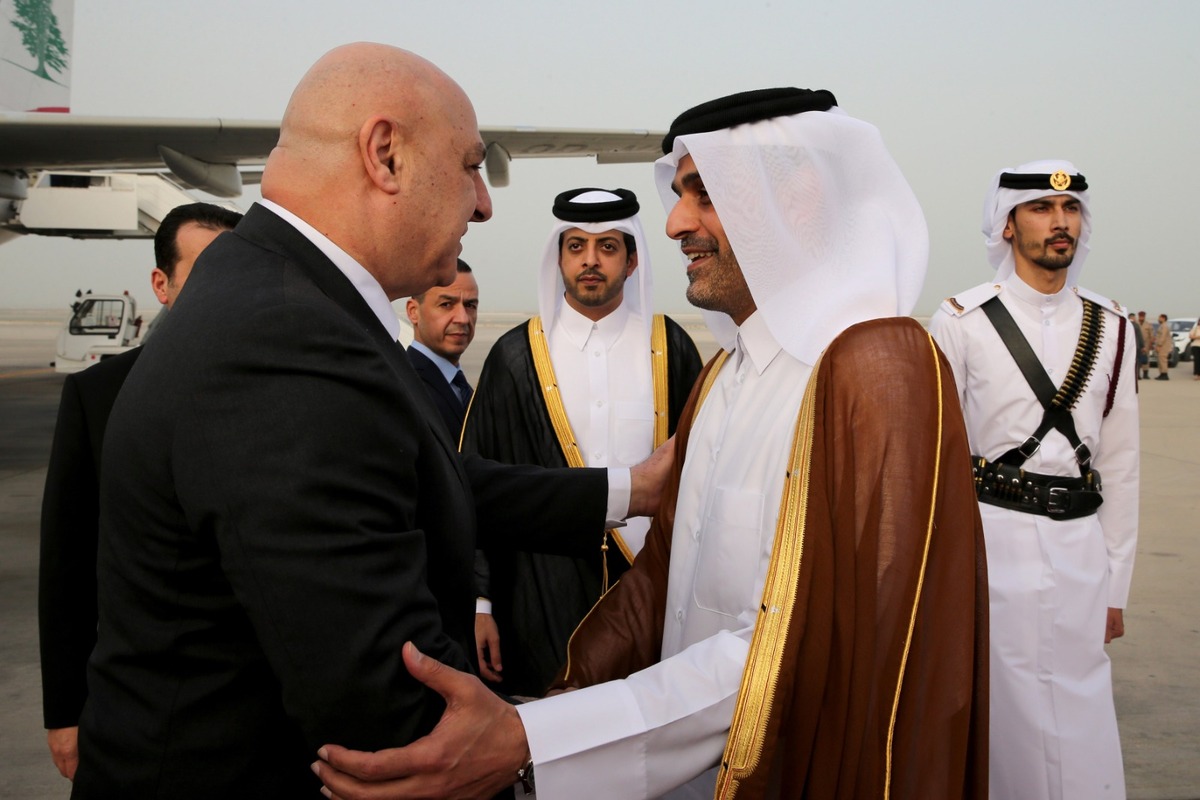
This plan was shared by President Joseph Aoun during a recent visit to Qatar. The country’s top leader believes this can happen peacefully and within Lebanon, without pressure from foreign governments or the risk of another civil war. Instead of using force, the focus will be on building trust and finding common ground through direct talks with Hezbollah.
The move comes at a time when Lebanon is still dealing with the effects of war, political divisions, and economic struggles. Since the ceasefire in November, Hezbollah has already pulled back from over 100 positions in southern Lebanon. The group has worked with the Lebanese army to avoid further conflict. President Aoun believes this cooperation shows there is a real chance to make progress.
The main reason behind the plan is to build a stronger and more united state. The president wants all weapons in the country to be controlled by official armed forces, not by separate groups. He believes this will make Lebanon safer and more stable. Unlike the system used in Iraq, where militias were merged into the national force, Lebanon will not follow that path. Instead, individuals from Hezbollah who meet army standards could be brought into the military in the same way fighters were integrated after the Lebanese civil war.
Lebanon’s leaders are also facing pressure from the United States, which has pushed for Hezbollah to disarm. President Aoun has responded by pointing to the ongoing Israeli military presence in areas that Lebanon considers disputed. As long as these border issues remain, Hezbollah claims it still has a reason to hold onto its weapons. Aoun has made it clear that the path to peace cannot be forced by outsiders and must be handled by the Lebanese themselves.
For now, talks with Israel remain off the table. Lebanon sees any future discussions with its southern neighbor as part of a broader regional solution tied to the Arab Peace Initiative. Inside the country, conversations are continuing about how to handle Hezbollah’s weapons as part of a national defense strategy.
Meanwhile, Israeli airstrikes and military activity near the border continue to cause concern. The Lebanese army is still working to protect the country, while officials push forward with their plan to unify all armed groups under one national command. The president’s goal is to avoid another conflict and move Lebanon toward a peaceful, secure future where only the state holds the power to use force.