
On Sunday, voters in three European countries—Romania, Poland, and Portugal—headed to the polls in a string of elections that brought a mix of clear results and cliffhanger scenarios.
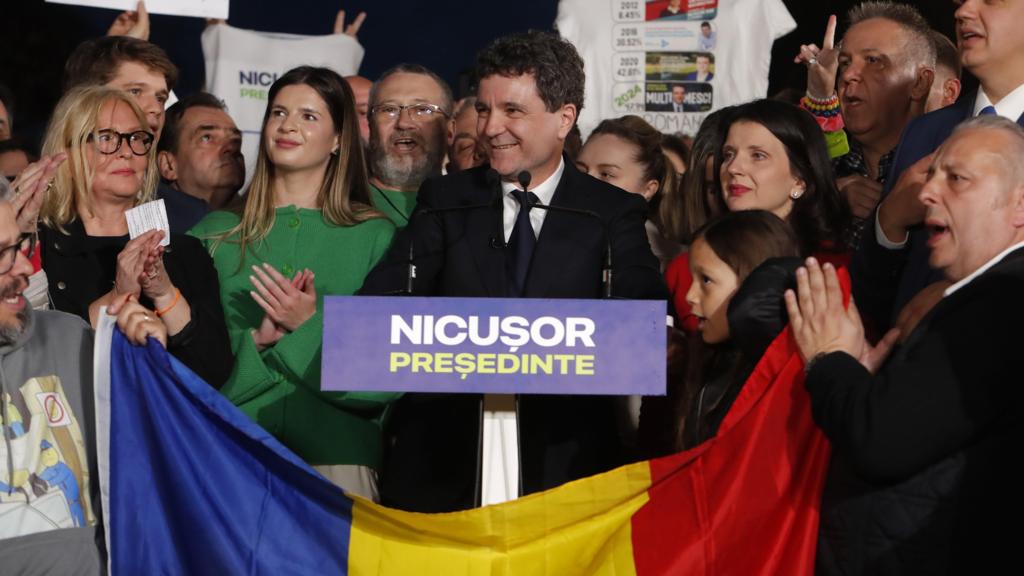
Among the major outcomes, Bucharest’s liberal mayor Nicușor Dan secured Romania’s presidency, marking a major shift in the country’s political scene.
The Romanian presidential election was closely watched following last year’s annulled result, which came after allegations of Russian interference and controversy surrounding a far-right candidate. This time, voters leaned toward a more centrist figure, choosing Dan over nationalist George Simion. While Simion initially claimed victory based on early predictions, the final count confirmed Dan’s win. Crowds of supporters gathered to celebrate outside his campaign headquarters as the result became official.
In Poland, the race for president moved into its next phase after none of the candidates secured enough votes to win outright. Warsaw’s mayor, Rafal Trzaskowski, emerged as the frontrunner in the first round with just over 30 percent of the vote. Close behind was Karol Nawrocki, a conservative historian known for his nationalistic views. The tight margin means the two will now face off in a second round set for June 1, which will determine Poland’s next leader.
Portugal’s general election, the third in as many years, also drew attention across Europe. The center-right Democratic Alliance (AD) appears to have won the largest share of votes, according to exit polls. However, early numbers suggest they may fall short of forming a majority government. The far-right Chega party gained more traction than expected, nearly matching the vote share of the traditional socialist opposition, signaling a changing political mood in the country.
The mood across Bucharest was electric after Dan’s win. People filled the streets with chants and celebrations. His supporters saw the result as a moment of relief after a tense campaign period filled with uncertainty. Police tried to manage the crowds as Dan greeted his voters, keeping a calm demeanor throughout the celebrations.
Poland’s upcoming second round now takes center stage, with both leading candidates preparing for what could be a tight race. The election outcome will shape the direction of the country’s policies for years to come.
In Portugal, attention turns to coalition-building. With no party gaining a clear majority, political talks are expected in the coming days. The rise of the Chega party will likely become a key point in discussions as the country’s leaders plan their next steps.
Sunday’s events showed how political landscapes across Europe are shifting. While liberal candidates made gains in Romania and Poland, the far right is gaining momentum in Portugal. As each country moves forward, the outcomes of these elections will play a major role in shaping their futures.