
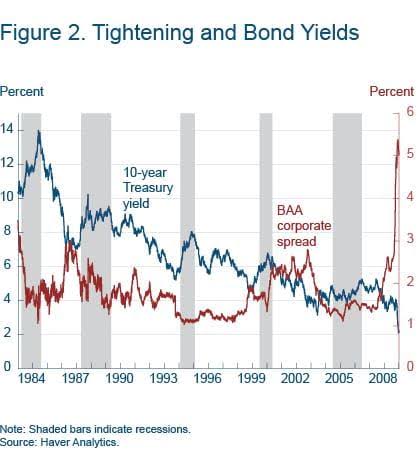
Long-term U.S. borrowing costs edged back to the symbolic 5 percent mark this week, raising concerns among global investors about mounting fiscal pressure and debt sustainability.
The yield on the 30-year Treasury briefly hit this level for the first time since July, signaling market stress linked to rising government debt and uncertainty around monetary and budget policy.
Markets across the world felt the ripple effect. In the U.K., 30-year gilt yields spiked to levels not seen since 1998, while Japan’s equivalent reached a new record of 3.26 percent. Germany and France also saw long-dated yields climb.
Bond markets extended their sell-off despite signs of cooling, as investors remain wary of fragile public finances.
Appetite for ultra-long debt, especially among institutional buyers like pension funds, appears to be weakening.
In the U.S., the move toward higher yields has raised alarm given the surge in federal deficit spending.
Federal debt servicing costs climb when yields rise, requiring the government to allocate more toward interest payments.
Observers warn that without corrective action, this trend may intensify fiscal pressure.
The prospect of near-term Federal Reserve rate cuts has kept markets cautious, although the steepness of the yield curve—particularly the gap between two-year and 30-year Treasuries—is the widest since late 2021.
Investors now turn their attention to upcoming economic data and central bank signals, concerned that the bond market’s strain may spill over into equities and broader credit markets.