
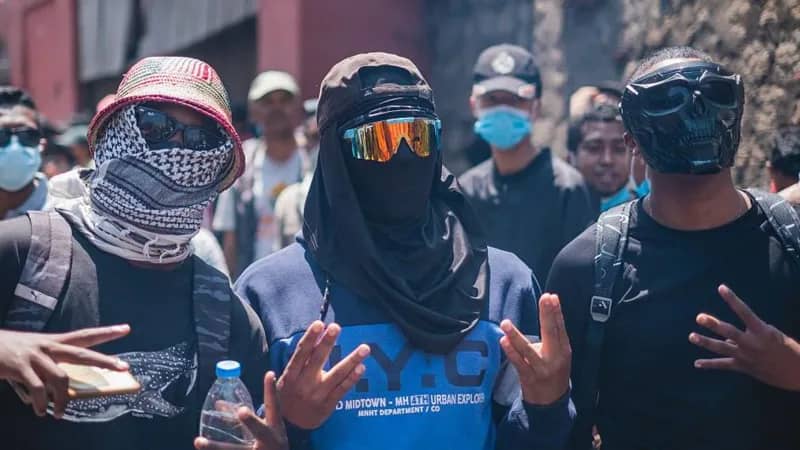
Madagascar’s President Andry Rajoelina has dissolved the government following days of intense protests led by the country’s Gen Z population.
The protests, which began over water and electricity shortages, quickly escalated into a broader movement demanding Rajoelina’s resignation and sweeping political change.
The demonstrations, described as the largest wave of unrest in over 15 years, have resulted in at least 22 deaths and over 100 injuries, according to the United Nations. The government disputes these figures, claiming they are based on “rumours and misinformation”.
Gen Z Mada, the youth-led collective behind the protests, has rejected Rajoelina’s offer to dialogue, accusing him of being “out of touch” with the crisis. The movement’s demands include the president’s resignation, dissolution of the election commission, and the country’s top court.
The protests started in Antananarivo over power cuts and water shortages, spreading to eight other cities across Madagascar. Security forces used tear gas, water cannons, and live ammunition to disperse protesters, resulting in casualties and arrests. Rajoelina dissolved the government, promising a new administration to address the crisis and restore public trust.
The UN’s human rights chief, Volker Türk, condemned the “unnecessary force” used by security forces and urged prompt investigations into the violence.
Opposition leaders Siteny Randrianasoloniaiko and former President Marc Ravalomanana have voiced support for the protests, declining offers to join Rajoelina’s government.
Madagascar, one of Africa’s poorest countries, faces significant economic challenges, with 75% of its population living below the poverty line. The situation remains volatile, with uncertainty over the country’s future direction.