
Mali’s economic stability is under pressing threat as al-Qaeda-linked militants in the Jama’at Nusrat al-Islam wal-Muslimin (JNIM) escalate a blockade on fuel imports.
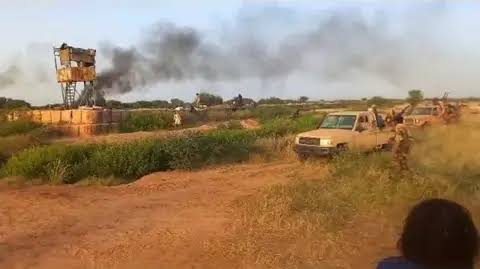
In attacks across key western corridors, including Kayes and Nioro du Sahel, militants have burned fuel trucks and kidnapped transporters, disrupting fuel flow from Senegal and Ivory Coast.
This marks a shift toward cutting off vital lifelines to the landlocked country.
Analysts warn the blockade risks severe shortages that could hamper Mali’s energy supply and delay delivery of essential goods.
Transporters are increasingly reluctant to enter these dangerous routes, raising the threat of rising prices and limited access to fuel in the capital, Bamako, and beyond.
The Dakar-Bamako corridor accounts for around 70 percent of Mali’s trade through Senegal’s port, while the Nouakchott-Bamako route through Mauritania also handles significant imports of fuel, food, and materials like cement.
Interruptions along these routes impact not just Mali but neighboring economies, particularly in trade, transport, logistics, and employment sectors.
Security sources report at least six Senegalese truckers have been abducted in the west, prompting Senegal’s transport ministry to engage with counterparts in Bamako to address the crisis.
This economic siege comes amid fragile alliances in the region. Mali has withdrawn from ECOWAS and aligned with Russia, yet militant influence continues to deepen.
Observers view JNIM’s focus on economic infrastructure as a deliberate tactic to undermine state authority and assert control.
As the crisis unfolds, the government must overcome both a security and humanitarian challenge—ensuring fuel reaches markets, preserving trade corridors, and preventing further economic destabilisation.