
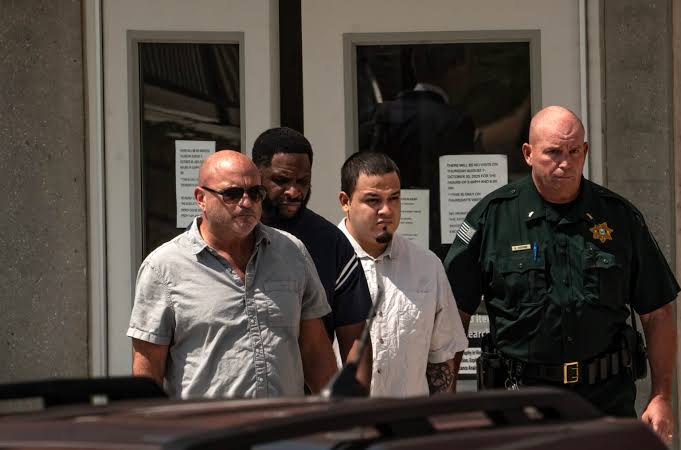
A Maryland construction worker who was mistakenly deported to El Salvador in March was pulled back into immigration proceedings this week.
Kilmar Abrego Garcia, a Salvadoran national with protected legal status, had been returned to the U.S. in June following a court order.
He was released from custody last Friday and reunited with his family in Maryland.
However, just days after regaining his freedom, Abrego reported to Immigration and Customs Enforcement (ICE) in Baltimore as required—but was immediately detained again and placed under threat of deportation to Uganda.
Legal filings show that he was offered a plea deal: plead guilty to human smuggling and be deported to Costa Rica.
When he declined, authorities shifted to deportation to Uganda, invoking a recent U.S. agreement with that country.
His lawyers argue that this move is retaliatory and coercive, aimed at punishing him for resisting prosecution.
A federal judge has issued a temporary block on his removal to Uganda and is evaluating whether Abrego may face persecution or be sent onward from Uganda.
Meanwhile, his legal team has filed a habeas corpus petition to prevent detention far from Baltimore and to force a “reasonable fear” interview as required by law.
This case has drawn public and political attention as an example of aggressive immigration enforcement under the Trump administration.
Critics accuse the government of exploiting bureaucracy to punish an individual who fought back against his wrongful deportation, leveraging foreign deportation routes as pressure tactics.