
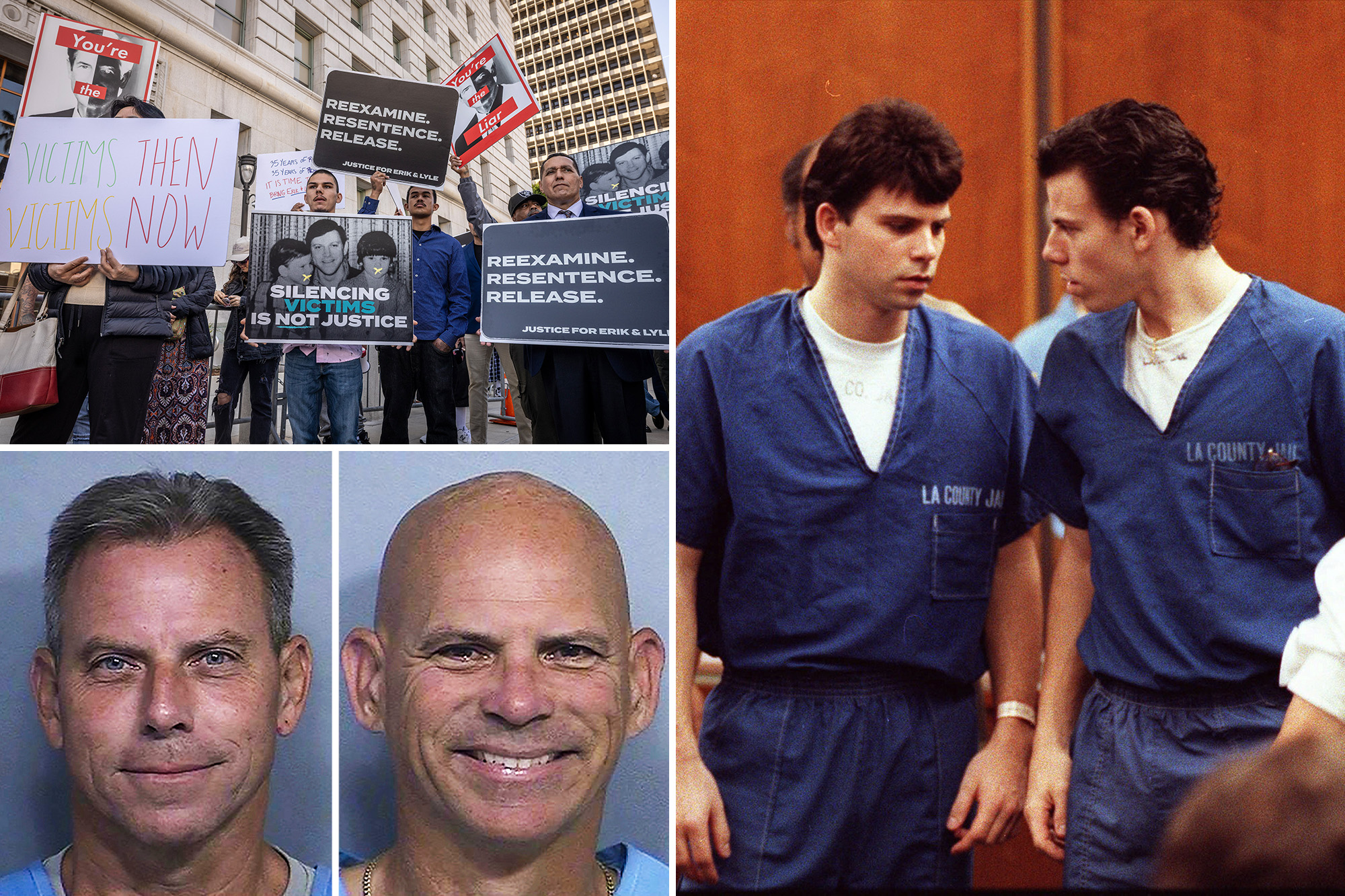
After more than 30 years behind bars, Lyle and Erik Menendez say they are beginning to believe they might finally be released.
The brothers, convicted in 1996 of murdering their parents in a case that shocked the nation, are now preparing for a parole hearing that could open the door to life outside prison walls.
Their crime – the 1989 shotgun killing of Jose and Kitty Menendez in their Beverly Hills mansion – was both brutal and sensational. The courtroom drama that followed captivated the country, especially when the brothers claimed they had suffered years of sexual abuse at the hands of their father. A first trial ended in a hung jury, but prosecutors in a second trial successfully argued that the murders were motivated by greed. The brothers were sentenced to life without parole.
Now in their 50s, the Menendez brothers are reflecting on their journey and how they have changed during their decades in prison. In a recent interview, they said hope is something they had long avoided thinking about, but the possibility of parole has shifted their mindset.
Their renewed hope comes as they await a parole hearing scheduled for June and a separate resentencing hearing in April. Both events have reignited public interest in their case and brought renewed debate over their potential release.
While behind bars, both Lyle and Erik have focused on rehabilitation and service. They’ve created programs to support elderly and disabled inmates and have led classes on trauma recovery and meditation. They say they want to continue this work outside prison, helping others who feel voiceless or abandoned.
But their path to freedom is far from clear. A key part of the process involves a risk assessment to determine whether they still pose a danger to society. The brothers maintain they are not the same men who were sentenced in the 1990s and have committed themselves to personal growth and community support.
The legal process has also taken a new turn. Los Angeles County District Attorney Nathan Hochman recently reversed a move made by his predecessor that could have allowed for resentencing. Hochman has taken a firm stance against the brothers’ release, saying he will not support it. The decision ultimately lies with the court, but the shift in tone from the DA’s office has caused tension.
Two former prosecutors who worked under George Gascón and supported resentencing for the Menendez brothers have filed a lawsuit against Hochman. They accuse him of harassment, retaliation, and public defamation, saying they were targeted for their views on the case.
Family members have also weighed in. Some relatives have criticized Hochman for what they describe as a lack of neutrality and communication. Tamara Goodell, a cousin of the brothers, said the DA’s office has been unwilling to engage with the family or consider new perspectives on the case.
Public opinion remains deeply divided. Some see the brothers as changed men who have paid the price for their crimes, while others continue to view them as manipulative and dangerous. Alan Abrahamson, a journalist who covered the original trials, described the Menendez brothers as skilled deceivers who have shaped their narrative over the years.
As the parole hearing draws closer, the Menendez brothers remain cautiously optimistic. They say they are not just seeking release—they’re planning to dedicate their lives to helping others. Whether the court will give them that chance remains to be seen.