
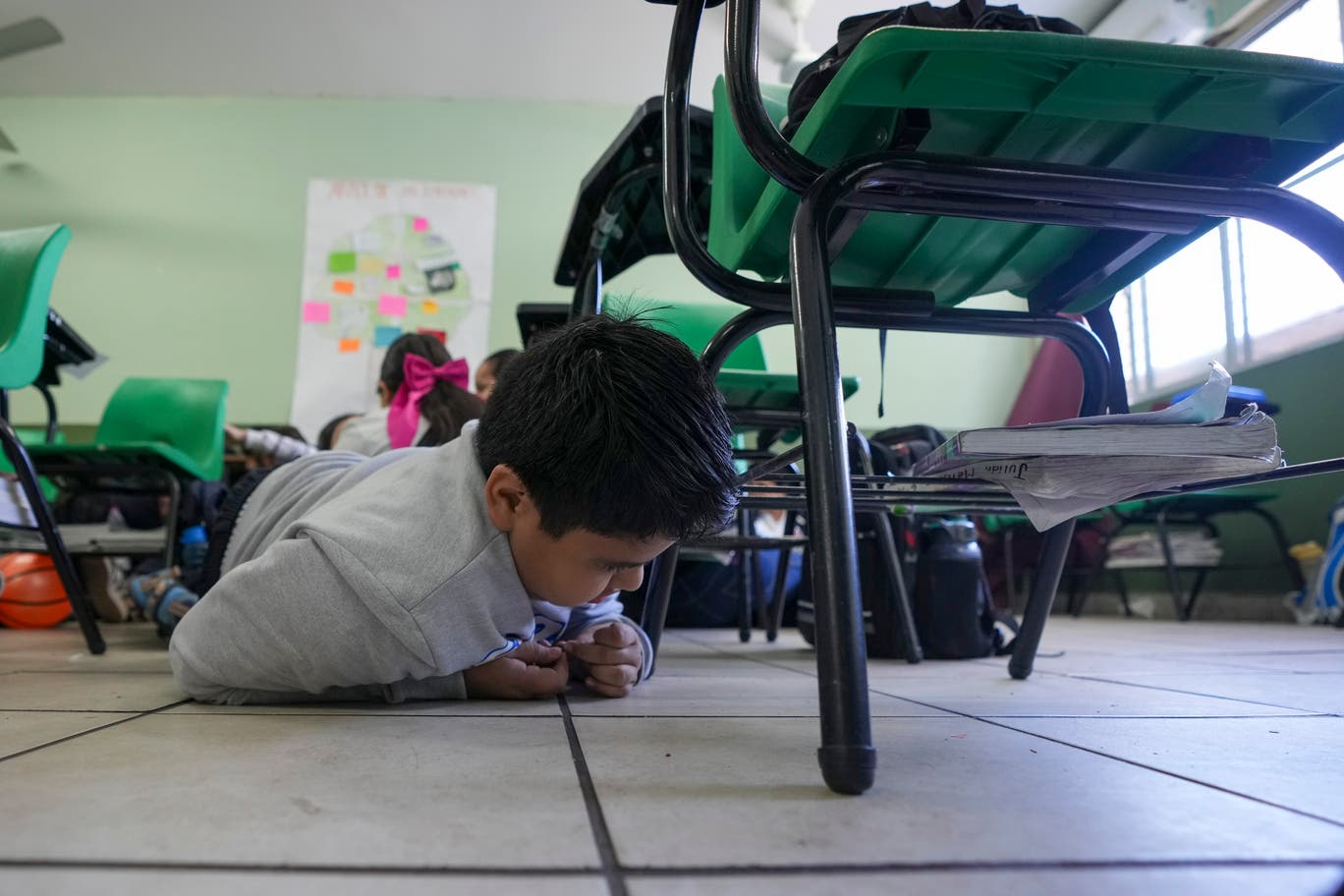
In Culiacán, Mexico, daily life has become a battle for survival.
Residents wake up each morning unsure if it’s safe to step outside. For an elementary school principal, the first task of the day is checking social media for reports of overnight shootouts. If danger is near, classes are canceled.
The city, long under cartel control, has been gripped by a violent struggle between factions of the Sinaloa cartel since September. The conflict began after Ismael “El Mayo” Zambada, one of the cartel’s most influential leaders, was reportedly kidnapped and arrested in the U.S. by members of a rival faction. With the cartel’s leadership fractured, the unwritten rule of keeping civilians out of the violence has collapsed.
Now, residents live in fear of stray bullets, kidnappings, and armed checkpoints where cartel members search phones for signs of contact with rival groups. Innocent people have gone missing, some never returning. More than 900 people have been killed since the conflict began, according to government reports.
A father in Culiacán follows strict safety measures to protect his family. His teenage son is no longer allowed to cycle outside, and he tracks his location in real time. His seven-year-old daughter now asks him every morning: “Dad, can I go to school today? Did you check Facebook?”
For years, many in Culiacán believed that cartel control provided a strange form of stability. But as violence spreads, some residents now welcome U.S. pressure on the Mexican government to take action.
At first, Mexican authorities avoided direct conflict with the cartels, following the stance of former President Andrés Manuel López Obrador, who downplayed cartel violence. But since Donald Trump won the U.S. election and threatened trade tariffs unless Mexico cracks down on drug traffickers, there has been a shift. Mexico’s new president, Claudia Sheinbaum, has shown a willingness to take a tougher approach, especially against Sinaloa’s fentanyl operations.
In recent weeks, security operations and arrests in Sinaloa have increased. Some in Culiacán hope that this pressure will finally bring change, but for now, they remain trapped between warring cartels, trying to survive each day.