
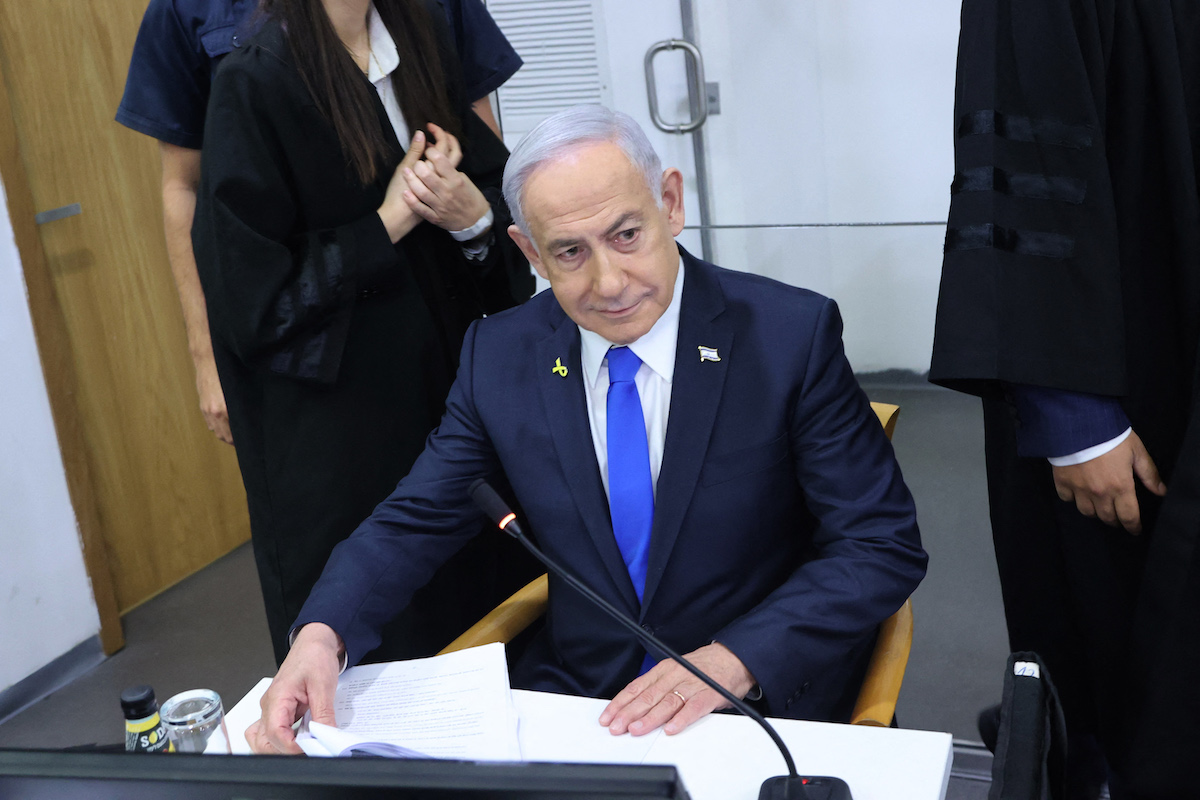
Israeli Prime Minister Benjamin Netanyahu is raising strong concerns as the United States and Iran continue indirect negotiations to reach a new nuclear deal.
These talks, taking place with help from Oman, aim to prevent Iran from developing nuclear weapons while also offering relief from harsh US sanctions. As these discussions move forward, Netanyahu has made it clear he wants to see Iran’s nuclear program fully dismantled.
The talks have included three rounds so far, with both sides using Oman as a mediator to avoid direct contact. The proposed agreement is said to keep Iran from pursuing nuclear weapons, while still allowing it to use nuclear energy for peaceful purposes. However, this approach does not sit well with the Israeli government, which sees any remaining nuclear infrastructure as a future threat.
Netanyahu has voiced his opinion during a public event in Jerusalem, saying that Iran’s current capabilities are too dangerous to be left intact. He believes that anything short of a complete shutdown of Iran’s nuclear, missile, and military programs would be a mistake. Israeli officials are also concerned that the proposed deal does not go far enough to limit Iran’s missile development, a key issue in past negotiations.
Iran has responded by showing confidence in its foreign policy and saying it is ready to resist any outside pressure. The Iranian foreign minister shared his view online, suggesting that Iran will not let others decide its path and warned that any military action would be met with a strong response. Tensions between the two countries remain high, especially after recent military clashes in 2024 when Iran launched missile attacks on Israel following the deaths of senior Iranian and proxy figures.
The Israeli government has not ruled out military action against Iran’s nuclear facilities if it feels diplomacy fails. Although US President Donald Trump has told Netanyahu that the US is not currently in favor of a military strike, Israel is keeping its options open. Israeli leaders continue to work closely with the US, pushing for a deal that fully removes Iran’s ability to build and launch nuclear weapons.
The future of the nuclear talks remains uncertain. While Iran and the US are still in discussion, the divide between what each side considers acceptable remains wide. With Israel watching closely and warning of further action, the outcome of these negotiations could shape Middle East stability for years to come.