
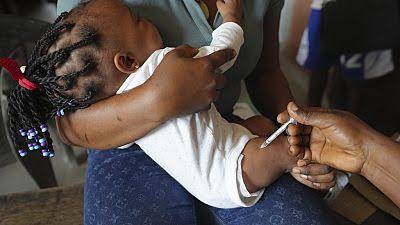
A major breakthrough in the fight against malaria is offering new hope for infants in Uganda, following approval of the world’s first malaria treatment designed specifically for newborns and very small babies.
The medicine, known as Coartem Baby or Riamet Baby, has been cleared by Swiss regulators for use in infants weighing under five kilograms, a group that until now had no safe, targeted treatment options.
Uganda remains one of the countries hardest hit by malaria.
In 2023, the country reported more than 12 million malaria cases and nearly 16,000 deaths, with health officials increasingly alarmed by the rise of cases among newborns.
Some babies are born with congenital malaria, while others contract the disease shortly after birth.
Until now, doctors had been forced to adjust dosages of drugs meant for older children, raising concerns about safety, accuracy, and effectiveness.
Dr. Jane Nabakooza of the Uganda Malaria Control Program said treating infants under six months has been particularly difficult because of their weight.
The treatment combines two antimalarial compounds in carefully calibrated doses for infants, helping to ensure effective treatment while also lowering the risk of drug resistance.
Health experts say this innovation addresses a long-standing gap in malaria care. Patience Akumu of the Roll Back Malaria Partnership, added that it could save thousands of lives each year.
Uganda will be among the first eight African nations to introduce the medicine, alongside Burkina Faso and Nigeria.
Officials say rollout plans are already underway, with training for health workers and distribution through major hospitals and community health centers.
For families in Uganda, where malaria remains a leading cause of infant mortality, the new drug is being hailed as a lifeline for the most vulnerable patients.