
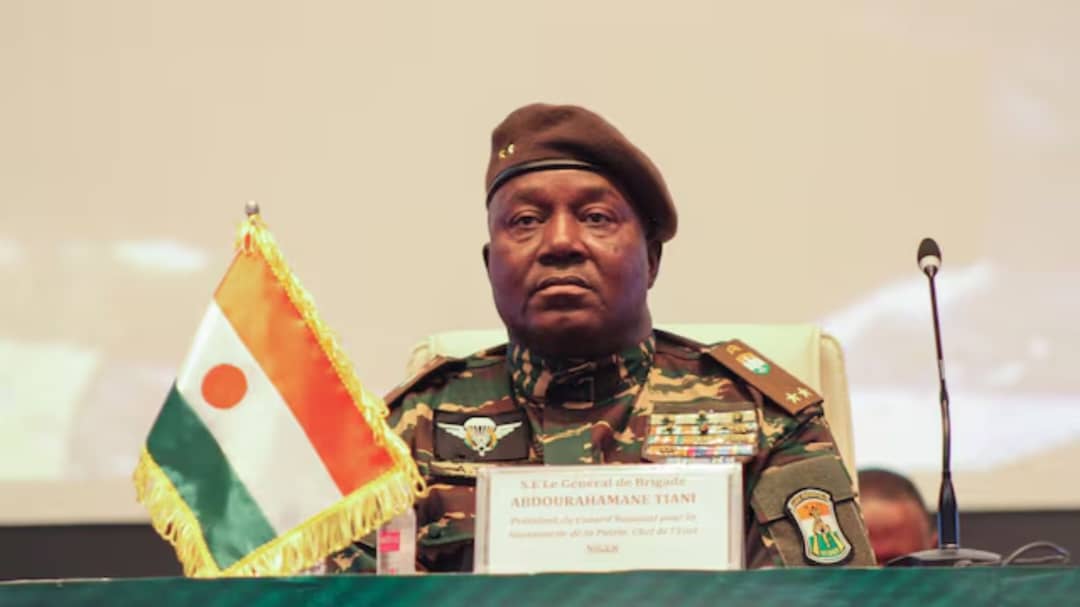
Two years after the military took power in Niger on July 26, 2023, the country has undergone major changes in governance, regional alliances, and economic direction.
Led by General Abdourahamane Tiani, the military government has taken steps to reduce foreign influence, regain control over national resources, and build new partnerships.
Niger has distanced itself from Western nations by removing French and American troops. It also left ECOWAS, joining forces with Mali and Burkina Faso to form the Alliance of Sahel States (AES).
This new regional bloc aims to improve security and economic cooperation. One major plan under AES is the creation of a joint military force of 5,000 troops to fight terrorism in the Sahel region.
The government is also taking a firmer stance on natural resource control.
It announced the nationalisation of a uranium mine managed by French company Orano, accusing the firm of unfair practices.
Niger has some of the world’s largest uranium reserves, and the leadership is reviewing all mining agreements to increase state control.
Economic stability has improved despite the political shift. The International Monetary Fund (IMF) released $41 million in support, praising Niger’s recovery efforts.
Foreign lenders and institutions are starting to reconnect with the country.
On the diplomatic front, Niger has strengthened relations with Türkiye and Russia.
A recent military financial deal was signed with Türkiye during the 2025 International Defence Industry Fair in Istanbul.
The AES alliance also introduced a joint biometric passport, which became available earlier this year. Citizens can use this new document or continue using their ECOWAS passports until they expire.
Internally, a new legal document known as the Refoundation Charter replaced the former constitution.
It gives the transitional president a five-year term, with foreign military presence requiring a national vote unless there is an emergency.
Niger is also reshaping its cultural identity. French has been removed as the official language and replaced by Hausa, with other local languages gaining recognition.
The country, along with its AES partners, has also left the Organisation Internationale de la Francophonie.
These moves reflect a wider effort to take a new direction in governance, security, and national identity.